Figma Presentation vs LinkedIn Carousel: What Converts?
Compare figma presentation vs linkedin carousel to maximize reach. Learn how to repurpose your figma slide deck template for viral social growth in 2026.
The main difference between a figma presentation vs linkedin carousel is the intent of the viewer and the layout constraints. Presentations prioritize linear storytelling for live audiences, while LinkedIn carousels focus on high-density value and asynchronous swiping to drive engagement.
Choosing between a figma presentation vs linkedin carousel depends entirely on your distribution channel and audience attention span. A presentation is a tool for deep dives and live pitches, while a LinkedIn carousel is a high-performance asset designed to capture interest in a crowded feed. In our experience, founders who successfully bridge these two formats see higher content ROI because they design their core ideas once and deploy them across multiple touchpoints.
Modern founders do not have time to start from zero for every social post. We find that treating your pitch deck as a library of modular components is the most efficient way to build a personal brand. This approach ensures your visual identity remains consistent whether you are presenting to a VC or sharing a growth framework with your network. The transition from a pitch deck to a social document requires specific technical adjustments, but the underlying logic remains identical.
What is the difference between a figma presentation vs linkedin carousel?
A figma presentation is a 16:9 widescreen layout designed for monitors and projectors, whereas a LinkedIn carousel is a vertical or square document designed for mobile scrolling. The primary difference lies in the aspect ratio and the font hierarchy required for legibility on different devices. While both use slides to convey information, the carousel format is optimized for the LinkedIn algorithm, which rewards time spent on a post.
LinkedIn documents, commonly referred to as carousels, are uploaded as PDF files that the platform renders into an interactive slider. According to data from Socialinsider (2024), carousels generate an average engagement rate of 1.92%, which is significantly higher than static images or video posts. This high engagement occurs because each swipe signals to the algorithm that the user is finding the content valuable. In contrast, a presentation usually lives in a meeting room or a sent email, where engagement is measured by conversion or follow-up meetings rather than public metrics.
When comparing a figma presentation vs linkedin carousel, we must look at the slider format differences in technical terms. A presentation slide often contains 50-100 words because a speaker provides the context. A LinkedIn carousel slide should rarely exceed 30 words. If you move text directly from a deck to a social post without editing, you will lose the viewer. The social format demands punchy headers and clear, single-point slides. We recommend starting with a figma slide deck template that already includes mobile-ready font sizes to make this transition easier.
Which format generates more leads for SaaS founders?
The answer is that LinkedIn carousels generate more top-of-funnel leads, while presentations are better for closing middle-of-funnel prospects. Carousels act as a discovery mechanism to reach people who do not know your brand yet. Presentations serve as a trust-building tool for prospects who are already evaluating your solution. For a SaaS founder, the goal is to create a figma pitch deck to social pipeline that feeds both stages of the funnel simultaneously.
Statistical evidence suggests that visual storytelling is a primary driver for B2B decision-makers. Research indicates that 82% of buyers are more likely to engage with vendors who provide high-quality, professional content (Content Marketing Institute, 2024). By using a figma presentation vs linkedin carousel strategy, you maintain a premium brand image at every touchpoint. A founder who shares a polished carousel on LinkedIn and then follows up with a matching pitch deck looks more established than one using mismatched, generic templates.
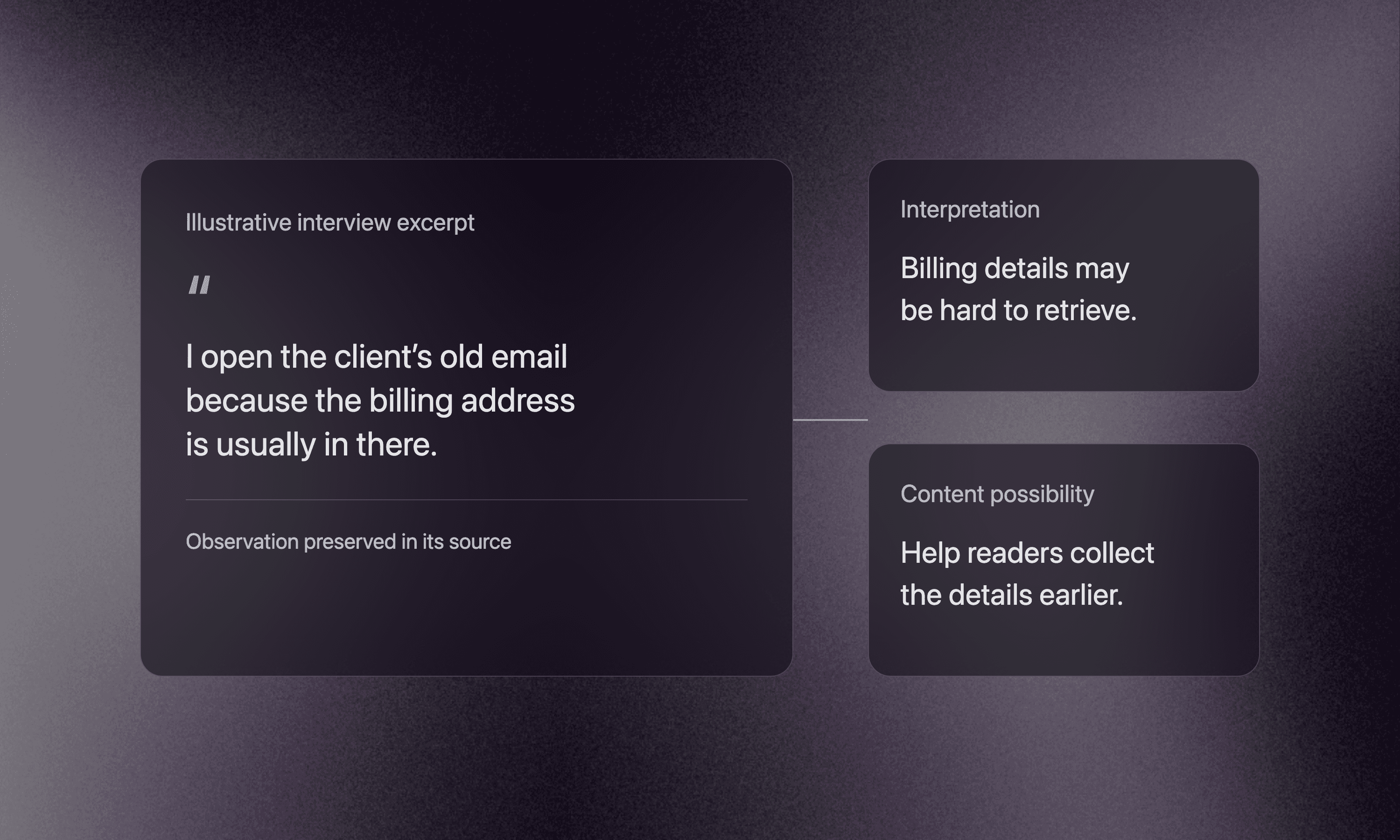
We find that the best-performing carousels are often just condensed versions of a larger pitch. If you have a slide in your deck about "The Problem with Legacy CRM," that slide can become a 5-page LinkedIn carousel. This repurposing is not just about saving time. It is about message reinforcement. When a lead sees your content on their feed and later sees the same visual style in a formal deck, it creates a sense of brand reliability. Using a consistent figma slide deck template allows you to maintain this visual thread without hiring a full-time designer.
What are the ideal linkedin document dimensions for 2026?
The standard linkedin document dimensions for 2026 are 1080x1350 pixels, which is a 4:5 portrait ratio. While 1080x1080 square slides are common, the portrait format occupies approximately 25% more screen real estate on mobile devices. This extra space allows for larger typography and more breathing room for your UI screenshots or data visualizations.
When you prepare to convert presentation to carousel assets, you must account for the LinkedIn UI overlay. LinkedIn places a navigation bar at the top and progress arrows on the sides of the document viewer. If you place critical text or your logo in these areas, the platform will cut them off or hide them. We recommend keeping all essential content within a "safe zone" of 100px from the top and bottom edges. This ensures your message remains legible regardless of the device the user is using to view your content.
Feature | Figma Presentation | LinkedIn Carousel |
|---|---|---|
Dimensions | 1920x1080 (16:9) | 1080x1350 (4:5) |
Primary Device | Desktop / Projector | Mobile (iOS/Android) |
Text Density | Medium to High | Low (30 words max per slide) |
Call to Action | End of presentation | Last slide + Comment section |
Export Format | PDF or URL | PDF (for document viewer) |
How do you convert presentation to carousel slides effectively?
To convert presentation to carousel slides, you must first change the frame size in Figma and then re-evaluate your information hierarchy. You cannot simply shrink a 16:9 slide into a 4:5 frame and expect it to work. You need to increase the font size by at least 40% to ensure it is readable on a smartphone. We suggest a minimum body font size of 24pt and a headline size of 64pt for social content.
The core of a figma pitch deck to social workflow is the component system. If you build your presentation slides using Figma components, you can create a second set of components for your carousel that pull from the same data. This allows you to update a chart or a screenshot in one place and have it reflect in both your pitch deck and your social media assets. This modular approach is how top-tier agencies manage high-volume content production for their clients without sacrificing quality.
A common mistake when moving between these formats is keeping the same number of slides. A presentation might have 15 slides, but a LinkedIn carousel performs best when it is between 7 and 10 slides. According to Socialinsider (2025), carousels with 10 slides have the highest engagement rates because they provide enough value to be "savable" without being so long that the user drops off. When you convert presentation to carousel, focus on the most provocative or educational slides and cut the filler.
Why should you use a figma slide deck template for social content?
Using a figma slide deck template for both your internal presentations and your external social content ensures a cohesive brand identity that builds trust with your audience. When your brand colors, typography, and icon sets are unified, you stop looking like a solo creator and start looking like a premium company. This professional polish is often the difference between a prospect ignoring your post and clicking through to your website.
Templates also simplify the design process for non-designers. Most SaaS founders are experts in their product, not in graphic design. A pre-built system handles the spacing, alignment, and visual weight for you. At usevisuals, we build Figma carousel templates specifically for this purpose, allowing you to transform complex ideas into viral social documents in minutes rather than hours. This speed allows you to test more content ideas and find what resonates with your target market faster.
A figma presentation vs linkedin carousel debate often ignores the efficiency of a unified design system. If your brand uses a specific style of drop shadow or a particular corner radius on your UI mockups, those details should be consistent across every slide. A template makes this consistency automatic. Instead of manually adjusting every slide, you apply a style once. This reduces the cognitive load of content creation, allowing you to focus on the high-level strategy and the quality of your writing.
What are the key slider format differences to watch for?
The most important slider format differences involve user interaction and the pace of information delivery. In a presentation, you control the pace. In a carousel, the user is in total control. This means your first slide, the "Hook," must be powerful enough to stop the scroll. If the hook fails, the rest of your slides are never seen. A presentation deck usually starts with a title slide, which is often too boring for a social feed.
Another technical difference is the navigation. LinkedIn users swipe horizontally. This motion is intuitive and fast. To keep them swiping, you need to use visual cues like arrows or images that "bleed" over from one slide to the next. This creates a psychological curiosity to see the rest of the image. In a figma presentation vs linkedin carousel comparison, this "bridging" technique is unique to the social format. It is a design tactic that forces the user to engage with the document for longer periods.
Successful carousels function like a mini-story. Slide 1 is the hook. Slide 2 is the tension. Slides 3 through 8 are the solution steps. Slide 9 is the summary. Slide 10 is the call to action.
Finally, consider the file size constraints. LinkedIn has a 100MB limit for document uploads, but we recommend keeping your PDF under 10MB for faster loading. High-resolution images in a figma pitch deck to social export can quickly bloat the file. Use Figma plugins to compress your images before exporting your final PDF. A fast-loading carousel improves the user experience and prevents people from bouncing before the first slide even renders fully.
How does a figma pitch deck to social workflow save time?
A figma pitch deck to social workflow saves time by eliminating the need to search for assets and rewrite copy for different platforms. When you create a slide deck, you have already done the hard work of organizing your thoughts and finding the right data. By treating those slides as raw materials, you can produce a week's worth of social media content from a single 20-minute presentation. This is the essence of "content atomization."
We recommend setting up a dedicated Figma page for your "Social Export." Create a link between your presentation frames and your social frames. If you use Auto Layout in Figma, resizing these frames is almost instantaneous. Auto Layout ensures that your text blocks and images reflow correctly when you switch from 16:9 to 4:5. This feature alone can save a founder several hours of manual design work every month, making the figma presentation vs linkedin carousel transition much smoother.
Consistency in your figma slide deck template also means you can delegate the task. Once your styles are set, a marketing assistant or a junior team member can handle the conversion. They simply copy the text from your main deck into the social template, swap the screenshots, and export the PDF. This allows the founder to remain the "architect" of the content while others handle the "construction." It is the most scalable way to maintain a high-frequency posting schedule on LinkedIn.
Is the linkedin document format better for SEO?
LinkedIn documents are surprisingly effective for SEO because LinkedIn indexes the text within the PDF. When you upload a carousel as a document, the keywords you use on your slides contribute to your visibility within LinkedIn's internal search and even on Google. This is a major advantage of the figma presentation vs linkedin carousel comparison; a static image post provides no text for search engines to read, but a document is a rich source of data.
To maximize this benefit, ensure your PDF filename contains your primary keywords. Instead of naming it "presentation_final.pdf," name it "figma-presentation-vs-linkedin-carousel-guide.pdf." This small change helps the LinkedIn algorithm categorize your content more accurately. Additionally, the high dwell time associated with carousels tells search engines that your content is authoritative. Authoritative content is more likely to be featured in the "Top Choices" or "Recommended" sections of the platform.
While a figma presentation vs linkedin carousel analysis focuses on design, the underlying SEO value cannot be ignored. Every slide is an opportunity to include long-tail keywords related to your SaaS niche. When you convert presentation to carousel content, think about how someone might search for that information. Use those search terms in your headers. This double-duty approach ensures that your content is not just engaging your current followers but also attracting new ones through search.
How do you measure success in a figma presentation vs linkedin carousel strategy?
Success is measured by different KPIs for each format. For a figma presentation, the goal is often a high "view-to-meeting" ratio. For a linkedin carousel, you should track the "Save" rate. A save is the highest form of engagement on LinkedIn because it indicates that the user found the information so valuable they want to reference it later. High save rates are the primary driver of viral growth in 2026.
You should also monitor the click-through rate (CTR) to your profile or website. If your carousel is educational but does not lead to any profile visits, your call to action might be too weak. In our experience, the final slide of a figma slide deck template should always be a clear, single-step instruction. Tell them to follow you, subscribe to your newsletter, or download a specific resource. Do not give them three choices; give them one.
Finally, look at the qualitative feedback in the comments. A figma pitch deck to social strategy often sparks deeper conversations than a standard text post. Because you have provided a visual framework, people have a specific point to react to. These comments provide the best data for your next presentation or product update. The loop between social engagement and formal presentation is the most powerful feedback system a SaaS founder can have.
In summary, the figma presentation vs linkedin carousel debate is not about which is better, but how to use both. Use your presentation for high-stakes, direct communication. Use your carousel for broad, high-frequency audience building. By using a figma slide deck template and understanding the technical linkedin document dimensions, you can dominate both arenas with minimal extra effort. Start by auditing your current decks and identifying the three slides that would make the best social documents today.