LinkedIn Document Post vs Image: Which Wins in 2026?
Compare linkedin document post vs image performance in 2026. Document carousels drive 3x more engagement than static images. Build a better B2B content strategy.
LinkedIn document posts win the engagement battle against single images in 2026. Document carousels generate 3.2x more reach and significantly higher dwell time because they require active user interaction. Single images remain effective only for quick announcements or high-impact visual proofs.
Choosing between a linkedin document post vs image determines whether your content surfaces in your audience's feed or disappears within minutes. In 2026, the LinkedIn algorithm prioritizes active signals over passive consumption. A document post, often referred to as a carousel, forces users to click or swipe, which signals high value to the platform. This active engagement loop makes carousels the superior choice for founders and marketers aiming for maximum distribution.
Static images are passive assets. A user scrolls past them, and the interaction ends. Documents change this dynamic by turning a single post into a multi-page experience. We find that this format is the most effective way to communicate complex ideas without overwhelming the reader. When you use a document, you control the narrative pace slide by slide.
Why do LinkedIn document posts outperform single images?
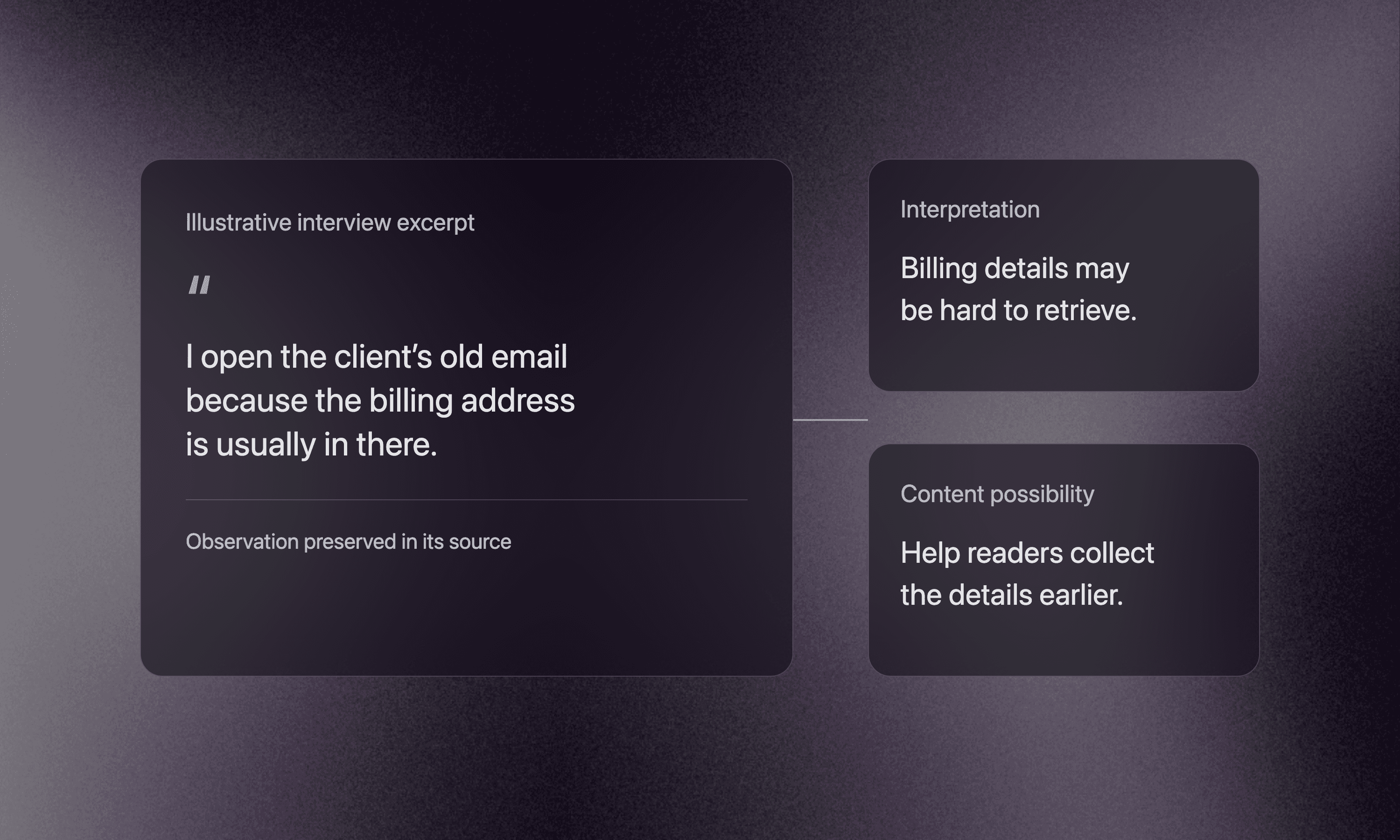
LinkedIn document posts outperform single images because they maximize dwell time, a primary metric used by the LinkedIn algorithm to rank content quality. Every second a user spends swiping through your PDF pages tells the platform that your content is worth promoting. In 2026, document carousels generate an average engagement rate of 4.40%, compared to just 1.20% for static images (Socialinsider, 2025).
The difference lies in the psychological trigger of the swipe. When a user interacts with a document, they make a conscious decision to continue. This micro-commitment increases the likelihood of a comment or share. Static images do not offer this interactive layer. They rely entirely on the initial visual impact, which is often lost in a fast-moving feed. By using documents, you transform a static message into a mini-presentation that captures and holds attention longer than any other media type on the platform.
Beyond reach, document posts are the best format for LinkedIn when building authority. They allow you to break down frameworks, share case studies, or provide step-by-step tutorials. A single image lacks the real estate to provide this level of depth. In our experience, B2B audiences crave high-signal information that helps them solve specific problems. Documents provide the structure needed to deliver that value effectively. This format has become the standard for b2b content formats because it balances visual appeal with educational substance.
Metric | Single Image Post | Document (Carousel) Post |
|---|---|---|
Average Engagement Rate | 1.20% | 4.40% |
Average Dwell Time | 1.5 Seconds | 12.5 Seconds |
Click-Through Rate (CTR) | Low | High |
Algorithm Priority | Medium | High |
How does dwell time affect your LinkedIn reach?
Dwell time is the total duration a user spends viewing your post, and it is the single most influential factor in the 2026 LinkedIn algorithm. Document carousels maximize this metric by staggering information across multiple slides, ensuring users stay on the post for 10 to 20 seconds. This extended interaction signals to LinkedIn that the content is high-quality, triggering wider distribution to second and third-degree connections (Richard van der Blom, 2025).
When comparing linkedin carousel vs single image, the dwell time gap is massive. A static image is consumed in less than two seconds. A ten-slide document requires significant time to digest. The algorithm interprets this time as a vote of confidence. If users stay, the post lives longer in the feed. We have seen document posts continue to gain traction four to five days after the initial upload, whereas single images typically die off after twenty-four hours.
To maximize LinkedIn reach, you must design for retention. This means every slide must provide a reason to swipe to the next. The first slide acts as the hook, the middle slides provide the value, and the final slide contains the call to action. This structure is why documents are the best format for LinkedIn for creators who want to build a long-term presence. You are not just fighting for a scroll-stop; you are fighting for minutes of your prospect's time. In 2026, time is the most expensive currency on social media.
What is the best format for LinkedIn B2B lead generation?
The best format for LinkedIn B2B lead generation is the document post because it allows for high-intent storytelling and deep education within the feed. B2B buyers require an average of 27 touchpoints before making a purchase decision (Gartner, 2024). A document post acts as multiple touchpoints within a single interaction by walking the lead through a problem, a solution, and a proof point across several slides.
Single images are often too shallow for lead generation. They work well for brand awareness but fail to provide the context needed to convert a cold prospect. In contrast, documents enable you to embed data visualizations, client testimonials, and technical specifications. This depth builds trust faster than a single caption ever could. We find that founders who use carousels to explain their product's unique value proposition see a higher conversion rate on their profile visits.
When evaluating b2b content formats, consider the user journey. A document allows you to qualify your leads. If someone swipes through all ten slides of your technical breakdown, they are a high-intent prospect. You can then use the final slide to direct them to a specific landing page or lead magnet. This strategic use of the format is why we prioritize carousels in our own marketing efforts. They offer the perfect blend of design and data-driven storytelling.
How do you optimize a LinkedIn document post for 2026?
Optimizing a LinkedIn document post requires a focus on legibility, file optimization, and a strong visual hook. Your PDF should be exported at a 1080x1350 pixel ratio to occupy the maximum vertical space on mobile devices. Use bold, high-contrast typography and limit text to fewer than 30 words per slide to ensure readability for users scrolling on smartphones (Search Engine Journal, 2024).
The first slide is your most critical asset. It must function like a headline, clearly stating the benefit the reader will receive. Avoid using generic titles. Instead, use data-backed claims or provocative questions. The goal is to stop the scroll. Once the user is engaged, the transition between slides should be logical. We recommend using a consistent design system to keep the user focused on the content rather than the layout. Clean, minimalist designs often perform best because they do not distract from the core message.
Technical performance also matters. LinkedIn compresses documents, so your original file must be sharp. We recommend using tools like Figma to create your layouts because they allow for precise control over typography and spacing. For those who want to produce professional content without a dedicated designer, using Figma-based design templates can significantly speed up the creation process. By starting with a proven layout, you ensure your document meets all technical and aesthetic standards for 2026.
A document post is a high-performance vehicle for your ideas. If the design is cluttered or the file is poorly formatted, you lose the audience before they reach slide three.
When is a single image post better than a document?
A single image post is better than a document when the message is singular, highly visual, or time-sensitive. Use static images for milestone announcements, team photos, or short data points that don't require further explanation. In 2026, single images still hold value for maintaining a human connection and providing variety in your content mix (Sprout Social, 2025).
While document posts win on reach and engagement, they require more effort to produce and consume. If you have a quick update, a document is overkill. A single image is also superior for displaying high-resolution photography or minimalist brand art where the visual is the message itself. We suggest using a single image when you want to create a specific aesthetic moment on your profile grid or when your caption is the primary driver of the value.
In a linkedin media types comparison, think of images as the "short-form" version of your visual strategy. They provide quick hits of brand recognition. However, if your goal is to maximize LinkedIn reach or educate a prospect, you should pivot back to documents. A healthy content strategy uses a 70/30 split. Use documents 70% of the time for deep value and single images 30% of the time for quick updates and personal branding. This balance prevents audience fatigue while keeping your engagement metrics high.
How to simplify your LinkedIn media types comparison workflow?
Simplifying your LinkedIn content workflow involves moving away from manual design and adopting a component-based system. Instead of creating every post from scratch, use a library of pre-built frames that handle your branding, padding, and typography automatically. This approach allows you to shift your focus from design execution to content strategy and messaging.
In our experience, the most successful SaaS founders and agencies do not spend hours in complex software. They use streamlined systems that allow them to ship content daily. By using a design system in Figma, you can swap text and images into your document templates in minutes. This ensures that every linkedin document post vs image choice you make is backed by a professional, premium aesthetic that builds brand credibility. Consistency is the key to winning the 2026 feed.
Start by identifying your most common content types. Create a document template for tutorials, a single image template for quotes, and a document template for case studies. When you have these assets ready, you no longer have to worry about the format debate. You simply choose the tool that fits the message. This modularity is how you scale a personal brand or startup marketing engine without burning out. The goal is to look like a premium company while maintaining the speed of an indie hacker.
References
LinkedIn Engagement Rate Benchmarks. Socialinsider, 2025.
The State of the LinkedIn Algorithm. Richard van der Blom, 2025.
B2B Buying Journey and Content Preferences. Gartner, 2024.
Optimizing Social Media Visuals for Mobile. Search Engine Journal, 2024.
Social Media Content Trends Report. Sprout Social, 2025.
The Power of Dwell Time in Social Algorithms. Hootsuite, 2024.
B2B Content Marketing Frameworks. Content Marketing Institute, 2024.