Repurposing Podcasts Into Social Media Carousels for B2B Growth
Learn how repurposing podcasts into social media carousels increases B2B reach. Convert audio transcripts into high-performing visual content for LinkedIn today.

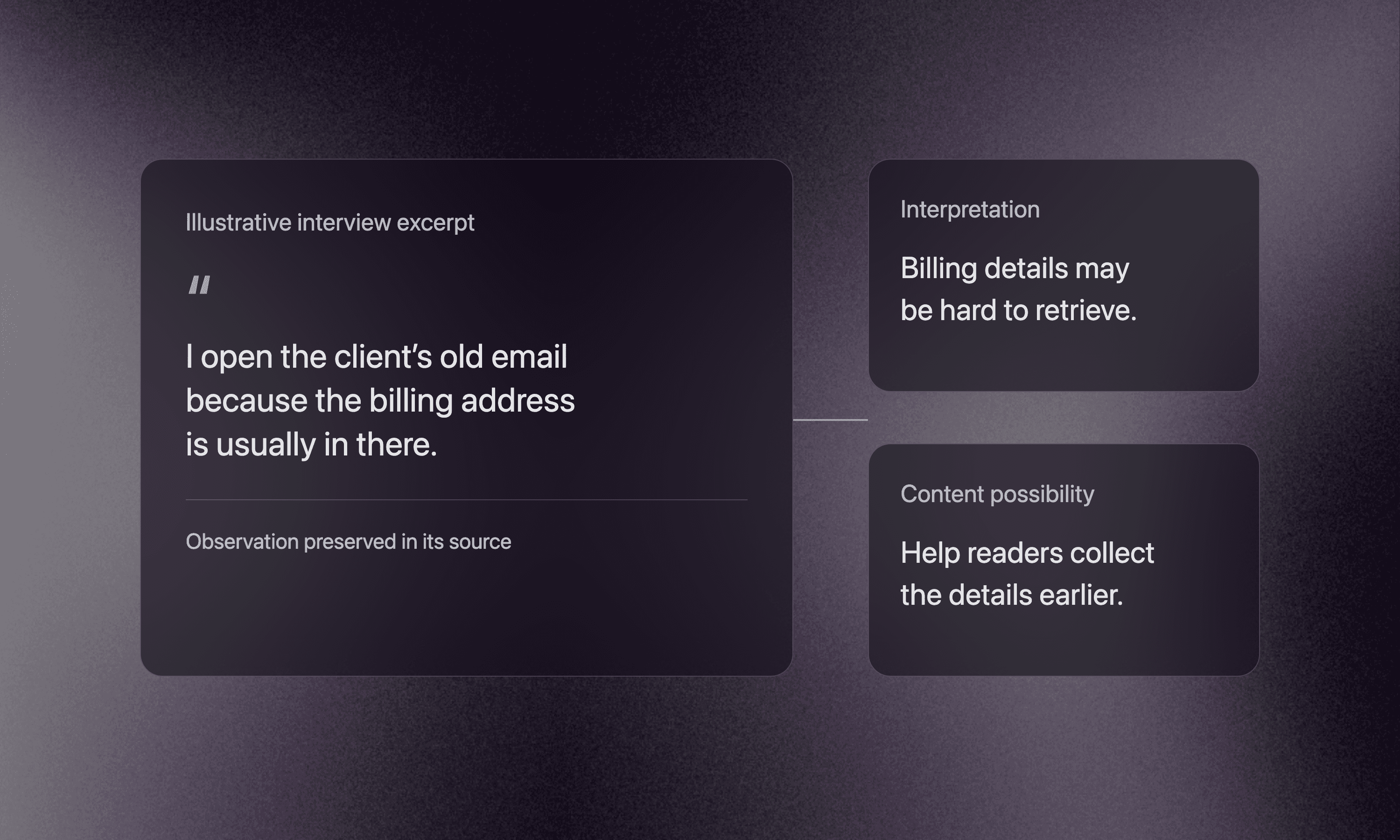
Repurposing podcasts into social media carousels allows founders and creators to transform long-form audio into high-engagement visual assets. This strategy captures the 80% of users who browse social feeds with sound off, providing a readable alternative to video clips. By extracting transcripts and applying them to professional design frameworks, you turn a single episode into weeks of social content.
Repurposing podcasts into social media carousels is the most efficient way to scale your content output without increasing your recording schedule. Most creators make the mistake of only posting short-form video clips that people often skip because they are in public spaces or meetings. By shifting to a visual-first, text-heavy format, you allow your audience to consume your best insights at their own pace. We focus on this method because it respects the user's time and environment while maintaining your brand authority.
Why should you favor carousels over short-form video?
The answer is that carousels provide a higher information density and better accessibility for professional audiences on platforms like LinkedIn. While video relies on audio or captions that can be hard to follow, a carousel allows the reader to pause, reflect, and swipe back to key points. This controlled consumption leads to higher save rates and better knowledge retention for your audience.
Recent data from Socialinsider (2024) indicates that carousels generate an average engagement rate of 1.92% per post, which is significantly higher than static images or standard video posts for many B2B accounts. This performance gap exists because carousels act as a mini-presentation, guiding the user through a logical sequence of ideas. For a SaaS founder, this format is perfect for explaining complex product features or sharing industry insights derived from a 45-minute podcast episode. You are essentially turning your spoken expertise into a portable, shareable deck that lives in the feed.
According to research from Verizon Media, 80% of consumers are more likely to watch an entire video when captions are available, but 50% say captions are important because they watch videos with the sound off. This behavior translates directly to how people interact with podcast clips. If your content requires audio to be understood, you lose the majority of your potential reach immediately. Carousels solve this by making the text the hero of the content. Instead of hoping someone turns their volume up, you provide the value directly through typography and layout. This approach ensures your message is delivered regardless of the user's technical or environmental constraints, leading to more consistent brand touchpoints across your target market.
What are podcast marketing visuals?
Podcast marketing visuals are graphic assets designed to promote audio content across visual-centric social media platforms. These include quote cards, episode covers, audiograms, and multi-slide carousels that highlight the most impactful moments of an interview. The goal of these visuals is to bridge the gap between an audio-only experience and the visual nature of a scrolling feed.
Creating these assets manually for every episode is a common bottleneck for marketing teams. We see many founders struggle to stay consistent because they try to design every post from scratch. Using podcast promotion templates simplifies this process by providing a pre-built structure where you only need to swap out the text and guest photos. This allows you to maintain a premium brand aesthetic without needing to be a professional designer. You can focus on the quality of the insights while the template handles the visual weight.
A quote graphics figma workflow is a specific design system where you use Figma to manage and export your social media assets. In this system, you create a library of components that represent different slide types, such as a title slide, a point-by-point slide, and a call-to-action slide. Because Figma is a vector-based tool, your graphics remain crisp and professional regardless of the platform's compression. We recommend building a library of these components so that when you finish a podcast episode, you can simply paste your best quotes into the frames and export the final carousel in minutes. This level of efficiency is what separates creators who burn out from those who scale their personal brands effectively.
How do you convert audio to visual content efficiently?
Audio to visual content conversion is the process of extracting the core narrative of a podcast and reformatting it into a sequence of static slides. This requires a three-step workflow: transcription, curation, and design application. By following a repeatable system, you can turn a single hour of audio into five or more high-performing carousels.
Generate a full transcript using AI tools to find high-impact quotes.
Select 5-7 key takeaways that form a cohesive story or lesson.
Map these takeaways to a carousel structure: Hook, Context, Evidence, and Action.
The curation phase is where most creators fail. They try to include too much information on a single slide, which makes the content hard to read on mobile devices. Each slide should contain one single idea or one short paragraph. We suggest using a maximum of 30-40 words per slide to ensure the text is large enough to be legible. If a quote is too long, break it across two slides or use a summary sentence to convey the meaning. This keeps the user swiping, which signals to the platform algorithm that your content is engaging and worth showing to more people.
Content Type | Primary Goal | Best Platform |
|---|---|---|
Audio Clip | Direct Listeners | Spotify / Apple |
Video Reel | Discovery / Viral | Instagram / TikTok |
Text Carousel | Education / Authority | LinkedIn / Instagram |
How do you structure a carousel for b2b podcast growth?
The structure for b2b podcast growth carousels involves a high-friction hook followed by low-friction educational slides and a clear lead-generation call to action. In a B2B context, your audience is looking for ROI, professional development, or tactical solutions to business problems. Your carousel must promise a specific outcome on the first slide to stop the scroll.
Your first slide, known as the hook, is the most important element of the post. It needs to state exactly what the reader will learn and why it matters to them. For example, instead of "Interview with John Doe," use "3 steps to scale your SaaS revenue based on John Doe's experience." This shifts the focus from the guest to the value provided to the reader. Once the hook captures their attention, the subsequent slides should deliver on that promise with clear, actionable advice. We find that using numbered lists or step-by-step frameworks works best for B2B audiences because it provides a clear path to the desired result.
A well-structured carousel can drive significant traffic to your full podcast episodes, provided the slides offer enough value to stand alone as a single piece of content.
To maximize b2b podcast growth, you must include a specific call to action on the final slide. Do not just tell people to "listen to the podcast." Tell them what they will gain by listening to the full version. Phrases like "Listen to the full episode to hear how John handled a 40% churn rate" are more effective than generic requests. This creates an information gap that can only be closed by visiting your podcast link. By treating the carousel as a self-contained value bomb, you build the trust necessary for the user to commit 30 minutes of their time to your audio content. This systematic approach ensures every social post contributes to your long-term audience growth goals.
Why are Figma templates the standard for social design?
Figma templates are the standard because they allow for non-destructive editing, easy collaboration, and the use of Auto Layout for rapid content iteration. Auto Layout in Figma is a feature that lets components and frames resize dynamically based on the text content inside them. This means you can change a short quote to a long one, and the slide padding and spacing will adjust automatically without manual pixel-pushing.
For founders and marketers, time is the most valuable resource. Wrestling with traditional design software or low-end browser tools often results in inconsistent branding and slow turnaround times. We use Figma because it allows us to set up global styles for colors and typography. When we want to update our brand look, we change the style in one place, and it updates across every slide in our library. This level of control is why professional agencies and scale-ups prioritize Figma for their marketing workflows. It ensures that every piece of content you ship looks like it came from a premium, established brand.
Using a pre-made system like the Figma-based design templates we provide allows you to skip the design phase entirely. You can simply focus on the strategy of repurposing podcasts into social media carousels. Instead of spending two hours designing a single post, you spend ten minutes pasting your transcript into a proven layout. This efficiency allows you to post more frequently, which is the primary driver of growth on platforms like LinkedIn and Instagram. Consistency is not about working harder; it is about building a system that makes the work easier to do every day.
What metrics define success for podcast carousels?
Success metrics for podcast carousels include save rates, click-through rates to the podcast link, and the total number of followers gained per post. While likes are a common vanity metric, saves are a much stronger indicator of value for B2B content. A save means the user found the information so useful that they want to refer back to it later, which significantly boosts your post's visibility in the algorithm.
Tracking these metrics allows you to see which topics from your podcast resonate most with your visual audience. You might find that a specific guest or a particular business tactic gets 3x more saves than others. This data should then inform your future podcast episodes, creating a feedback loop between your social media performance and your core content production. If you notice that carousels about "pricing strategy" perform exceptionally well, you can book more guests who are experts in that field. This data-driven approach removes the guesswork from your marketing strategy and ensures you are always producing content your audience wants.
LinkedIn specifically rewards content that keeps users on the platform, and carousels are perfect for this. Because it takes time to swipe through 10 slides, the "dwell time" on your post is much higher than a static image. Higher dwell time tells LinkedIn that your content is high-quality, leading to more organic reach. In our experience, founders who prioritize carousels see a steady increase in profile visits and inbound connection requests from their target demographic. By consistently showing up with professional, high-signal visuals, you establish yourself as a leader in your niche without needing a massive advertising budget or a dedicated design team.
How do you avoid common repurposing mistakes?
The answer is to avoid overcrowding slides with text and to ensure each carousel has a logical narrative arc. Many creators simply copy and paste large blocks of the transcript onto a slide, which creates a wall of text that is impossible to read on a mobile phone. This leads to high bounce rates and low engagement, defeating the purpose of repurposing the content in the first place.
Another common mistake is neglecting the visual hierarchy of the slide. Your most important words should be the largest, and your supporting text should be smaller and lighter. This guides the reader's eye to the most important information first. We recommend using a bold, sans-serif font for headings to ensure maximum readability. Additionally, always include your podcast name and a small photo of the guest on the first or last slide to build brand recognition. This ties the visual content back to the original audio source and helps build a cohesive brand identity across different platforms. Avoid using low-resolution images or clashing colors, as these can damage your brand credibility and make your company look amateur.
Finally, do not forget to optimize your captions for the platform you are posting on. While the carousel contains the core value, the caption should provide additional context and invite conversation. Ask a specific question related to the podcast topic to encourage comments. Comments are a powerful signal to social algorithms that your content is generating a discussion. The more engagement you get in the comments, the more the platform will show your carousel to people outside your immediate network. By combining high-quality visual slides with an engaging caption, you create a powerful growth engine for your B2B brand.
How can you start repurposing today?
Start by choosing your top-performing podcast episode from the last three months. Use an AI tool to get a clean transcript and look for the 5 most insightful moments. These will become the core of your first carousel. By starting with proven content, you increase the chances that your social post will resonate with your audience. You do not need to overthink the design; focus on the clarity of the message first.
Once you have your content ready, use a consistent set of podcast promotion templates to build your slides. This ensures that every carousel you post has a familiar look and feel, which helps with brand recall. As you get more comfortable with the workflow, you can begin to experiment with different slide counts and hook styles to see what works best for your specific audience. The key is to stop treating your podcast as a one-and-done event and start seeing it as a source of raw material for your entire social media presence.
Repurposing podcasts into social media carousels is a long-term play for authority and reach. It might take a few weeks to see significant growth, but the compounding effect of high-quality, readable content is undeniable. You are building a library of visual assets that can be reshared and updated over time, giving your podcast a much longer shelf life. By focusing on the needs of the silent scroller, you position your brand as a modern, accessible source of expertise in your industry. Start today, and you will be surprised at how much hidden value is locked inside your existing audio files.