B2B SaaS Meme Marketing: A Visual Template Framework For Founders
Master B2B SaaS meme marketing with our visual template framework. Build a professional, high-reach aesthetic library that drives engagement and inbound leads.
B2B SaaS meme marketing is a strategic approach to audience building that pairs relatable industry humor with premium, template-driven design. By using structured visual frameworks, founders can scale highly engaging comedic content that bypasses traditional corporate stiffness. This system drives massive organic reach and significantly lowers customer acquisition costs while maintaining a polished brand identity.
What is B2B SaaS meme marketing?
The answer is straightforward: B2B SaaS meme marketing is the systematic use of observational industry humor packaged in premium, brand-aligned visual formats to drive software sales. It transforms dry technical complaints and common workplace frustrations into highly relatable, easily shareable social media assets. This approach abandons the sterile corporate playbook in favor of authentic emotional connection.
Humor in B2B marketing is a strategic mechanism that uses comedic observation to communicate complex software value propositions. Historically, business software communication relied on dense whitepapers and technical jargon. Today, audience preferences have shifted toward accessible, engaging formats that capture attention in crowded feeds.
Research indicates that humor in B2B marketing increases brand memorability by 29% compared to traditional corporate messaging (Gitnux, 2026). When a brand makes a consumer laugh, 91% are more likely to remember the brand when making a purchasing decision (Gitnux, 2026). This shift matters because software buyers are still human beings scrolling social media between meetings.
They respond to emotional resonance just like consumer buyers do. By using a structured visual framework for these comedic assets, teams maintain consistent aesthetic standards while deploying high-performing creative rapidly. This balance of entertainment and professionalism ensures that content drives both immediate algorithmic reach and long-term brand equity without compromising corporate identity.
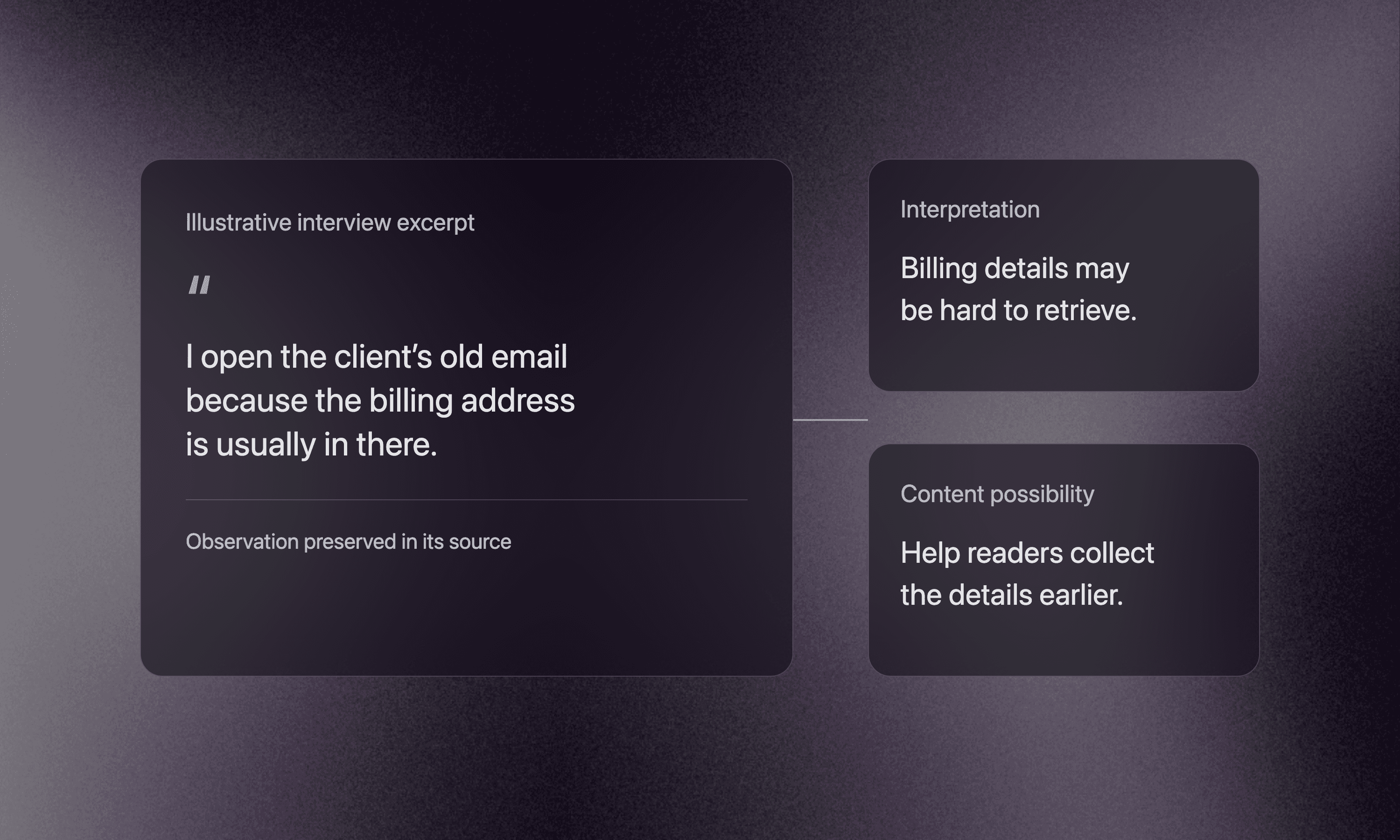
To execute this effectively, you need a defined aesthetic. Random screenshots pasted into social feeds look sloppy. Visual frameworks are structured design systems that standardize layout, typography, and color tokens. They elevate a simple joke into a premium brand touchpoint.
Why does humor in B2B marketing perform so well on LinkedIn?
Humor in B2B marketing performs exceptionally well because it disrupts the monotonous stream of generic thought leadership and promotional product announcements. Professional feeds are saturated with corporate jargon, so a well-designed, visually striking comedic observation is an algorithmic pattern interrupt. Laughter triggers immediate engagement, which accelerates organic distribution.
LinkedIn is the dominant distribution channel for professional content, and its algorithm heavily favors native, highly engaging formats. Carousels combined with relatable industry humor generate unprecedented reach because they keep users scrolling. Multi-image carousels dominate the platform, achieving an average engagement rate of 6.60% (ConnectSafely.ai, 2026).
This format towers over traditional content, generating 278% more engagement than native video and 596% more engagement than text-only posts (Postunreel, 2026). The swipe-through format feels native to mobile browsing habits and matches the platform's dwell-time metrics. When founders pair these high-performing carousel layouts with sharp, observational comedy about industry pain points, the algorithmic distribution compounds.
Users spend 15 to 20 seconds consuming multi-slide visual formats, signaling high content quality to the feed ranking system (Meet Lea, 2026). Consequently, businesses that systematically deploy visually cohesive, multi-slide comedic assets capture a disproportionate share of organic attention. This strategy lowers overall customer acquisition costs while rapidly expanding their digital footprint.
You can dominate the feed by combining format advantages with psychological triggers. The intersection of clean typography and relatable pain points creates a compounding effect. Readers stop for the aesthetic and stay for the punchline.
Here is a breakdown of why this specific blend works:
Visual contrast stops the user's scrolling momentum instantly.
Punchy, short copy demands minimal cognitive load from the reader.
Shared industry frustrations validate the prospect's daily operational struggles.
Premium branding builds subconscious trust in the software behind the joke.
How do tech startup memes influence brand perception?
Tech startup memes influence brand perception by positioning the company as an insider who intimately understands the daily friction of modern work. Instead of appearing as a detached vendor, the brand becomes a trusted peer. This shift dramatically accelerates the trust-building phase of the complex B2B sales cycle.
Authentic empathy replaces corporate sterility when brands share highly accurate industry observations. When operators mock common industry frustrations, like endless feature creep or agonizing sales cycles, they signal deep, practitioner-level understanding of the customer's daily reality. Buyers trust vendors who truly understand their specific headaches.
Companies that embrace humor in their marketing see significant commercial benefits, with 72% of buyers stating they would choose a humorous brand over a competitor offering the exact same product or service (We Blog We Vlog, 2025). Brands applying humor see an 80% increase in customer loyalty because shared jokes build shared identity (Noble Studios, 2025).
Relatable visual comedy lowers the buyer's natural defensive barriers against marketing pitches. Instead of feeling sold to, the prospect feels seen. This emotional connection translates directly to pipeline velocity, as a clever visual asset is far more likely to get shared internally than a dry technical document.
Design quality is the key differentiator here. A poorly formatted joke feels like amateur hour and damages credibility. We recommend treating your comedic assets with the exact same visual rigor as your core software interface.
What are the core components of b2b meme templates figma setups?
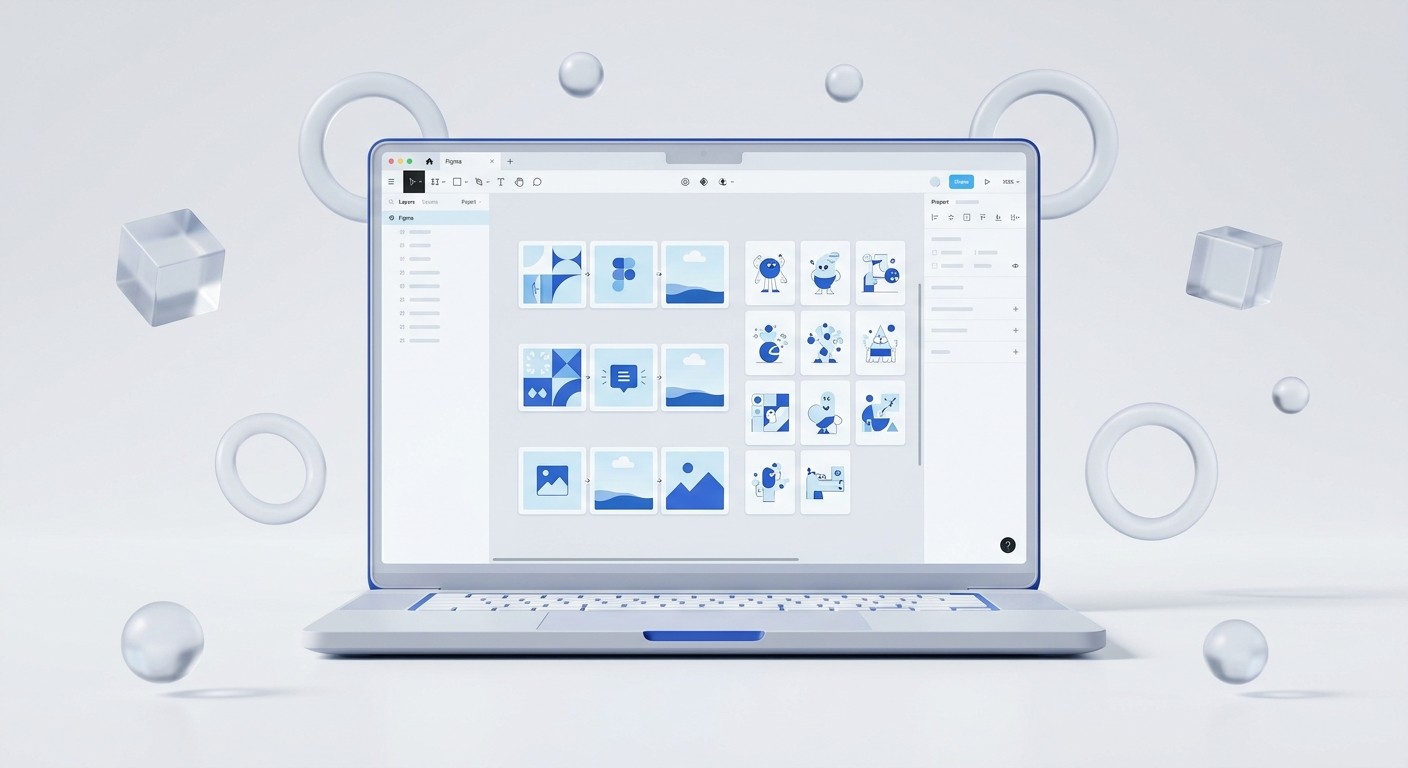
The core components of b2b meme templates figma setups include master auto-layout frames, strictly defined brand color tokens, unified typography styles, and modular image containers. These technical elements allow non-designers to rapidly swap out text and imagery without breaking the structural integrity of the layout.
A highly functional design architecture is critical for scaling visual assets without bloating operational costs. Auto-layout is a core feature that lets components resize dynamically based on their content, ensuring consistent padding and alignment regardless of text length. When building b2b meme templates figma environments provide the perfect infrastructure for marketing teams to execute rapidly.
Centralized component libraries enable marketers to swap text and imagery in seconds while maintaining strict adherence to brand guidelines. This operational efficiency is vital because content marketing remains highly cost-effective. Content marketing costs 62% less and generates three times as many leads per dollar compared to traditional outbound methods like paid search (Perceptric, 2026).
By eliminating the repetitive manual labor of adjusting pixel spacing for every new post, design teams free up cognitive bandwidth for actual strategy. A properly structured visual library ensures that every comedic asset looks like a premium extension of the core product. This speed and quality combination creates a massive competitive advantage.
To maintain speed, teams should implement a strict design hierarchy. If you want to bypass the setup phase entirely, you can download our premium Figma templates to launch your visual content engine immediately. Having a pre-built architecture prevents the bottleneck of waiting for freelance designers.
Component Type | Figma Setup Requirement | Marketing Benefit |
|---|---|---|
Text Containers | Auto-layout with vertical resizing | Prevents text overflow and broken margins |
Color Styles | Global token variables | Enables instant brand matching across slides |
Image Placeholders | Component variants with clip content | Standardizes asset framing instantly |
How can founders scale corporate humor social media content?
Scaling corporate humor social media content requires separating the creative ideation from the technical design execution. Founders should maintain a centralized document of daily industry observations, which marketing teams then easily drop into pre-approved visual templates. This asynchronous workflow eliminates operational friction and guarantees a consistent publishing cadence.
Systematizing social media output requires treating content creation as a predictable manufacturing process rather than a sporadic burst of inspiration. Founders must separate the ideation phase from the design execution phase. By maintaining a running repository of observational jokes and mapping them to predefined visual layouts, teams can produce a month of content in a single afternoon.
Consistency is the most critical variable for algorithmic success on professional networks. Companies that post four times per week see a 2x lift in engagement with their content, and involving employee advocacy adds an additional 3x lift on top of that baseline (ConnectSafely.ai, 2026).
Beyond that, content shared by individual employees or founders generates up to 8x more engagement than identical content distributed through official company pages (Taylor Scher, 2024). A standardized visual framework enables the entire leadership team to publish highly engaging, visually consistent observations without constantly bottlenecking the core graphic design department.
We suggest scheduling batch creation sessions. Sit down once a week, review your notes on recent software bugs, painful client calls, or sales objections, and write the copy. Next, open your design tool and populate your templates in minutes.
What is the line between professional shitposting linkedin and brand damage?
The line between professional shitposting linkedin strategies and actual brand damage is defined by visual quality and target selection. Effective campaigns punch up at systemic industry problems or shared technical hurdles. Tone-deaf campaigns punch down at specific customers, rely on offensive shock value, or use sloppy, amateurish graphics.
Professional shitposting linkedin strategies require a delicate balance between provocative industry critique and maintaining commercial credibility. The goal is to aggressively challenge outdated industry norms without attacking specific individuals or violating professional decorum. Effective visual comedy punches up at structural frustrations, not down at users.
Striking this exact tonal balance is essential because emotional resonance drives business outcomes, but negative associations can destroy trust. Customers who share an emotional relationship with a brand possess a 306% higher lifetime value compared to purely transactional buyers (Gitnux, 2026). Conversely, a single unemotional or tone-deaf experience will cause one in three consumers to abandon a brand they previously loved (Gitnux, 2026).
Modern operators navigate this risk by using strict visual constraints. When the typography is immaculate, the spacing is mathematically precise, and the brand colors are applied systematically, even the most absurd industry joke retains an undeniable aura of premium professionalism. The clean aesthetic grounds the humor, signaling high-tier competence.
Never sacrifice your core identity for a cheap laugh. If a joke requires abandoning your established brand fonts or colors, discard it. Visual consistency is a safety net that continuously signals enterprise-grade reliability to the buyer.
Follow these rules to protect your reputation:
Target broken processes, not people or competing founders.
Use self-deprecation to demonstrate humility and self-awareness.
Maintain aggressive whitespace and minimalist layouts to offset chaotic copy.
Run borderline concepts past a trusted peer before hitting publish.
How do you measure the ROI of relatable founder content?
You measure the ROI of relatable founder content by tracking qualitative engagement depth, profile inbound metrics, and specific pipeline attribution. Rather than focusing solely on viral impressions, analyze direct message volume, demo requests citing specific posts, and the sustained dwell time your visual assets command.
Evaluating the true commercial impact of relatable founder content requires looking past vanity metrics and analyzing deep engagement signals. While raw impression counts offer a baseline indication of reach, the algorithmic priority has shifted toward sustained attention. The new Depth Score metric heavily weights how long users interact with specific assets in the feed.
Posts that capture 61 or more seconds of active dwell time average notably higher overall engagement rates than content discarded in under three seconds (Digital Applied, 2026). Beyond that, the algorithm applies a 60% distribution penalty to posts containing external links, forcing marketers to optimize for native consumption rather than immediate website clicks (Digital Applied, 2026).
Marketers measure success by tracking direct messages, profile visits, and inbound demo requests that specifically reference the shared visual assets. When high-quality visual comedy consistently stops the scroll and drives deep substantive commentary, it builds a massive retargeting audience of qualified prospects who already feel an affinity for the product.
In our experience, the best leads often come from silent lurkers. They may not like or comment on every joke, but they consume the content daily. When they finally experience the exact software pain point you have been mocking, your product is the first solution they investigate.
References
Emotional Marketing Statistics: Market Data Report 2026. Gitnux, 2026.
100+ LinkedIn Statistics 2026: Revenue, Users, Engagement Rate. ConnectSafely.ai, 2026.
LinkedIn Carousel Engagement 2026 Data & 6.60% Benchmark. Postunreel, 2026.
LinkedIn Carousel Engagement 2026: Performance Benchmarks. Meet Lea, 2026.
Using Humor in Marketing: How Brands Are Winning Clicks. We Blog We Vlog, 2025.
Funny Business | How Humor Drives Results in B2B Marketing. Noble Studios, 2025.
14 B2B SaaS Marketing Strategies: A Complete Guide. Perceptric, 2026.
11 SaaS marketing trends sourced from industry experts. Taylor Scher, 2024.
LinkedIn Algorithm 2026: Engagement Strategy Guide. Digital Applied, 2026.