6 Best Figma Wireframe Kits for Startup MVPs: Prototype Fast
Discover the best figma wireframe kits startup mvps to speed up your prototyping. We compare top low fidelity figma kits for SaaS founders to build and ship fast.
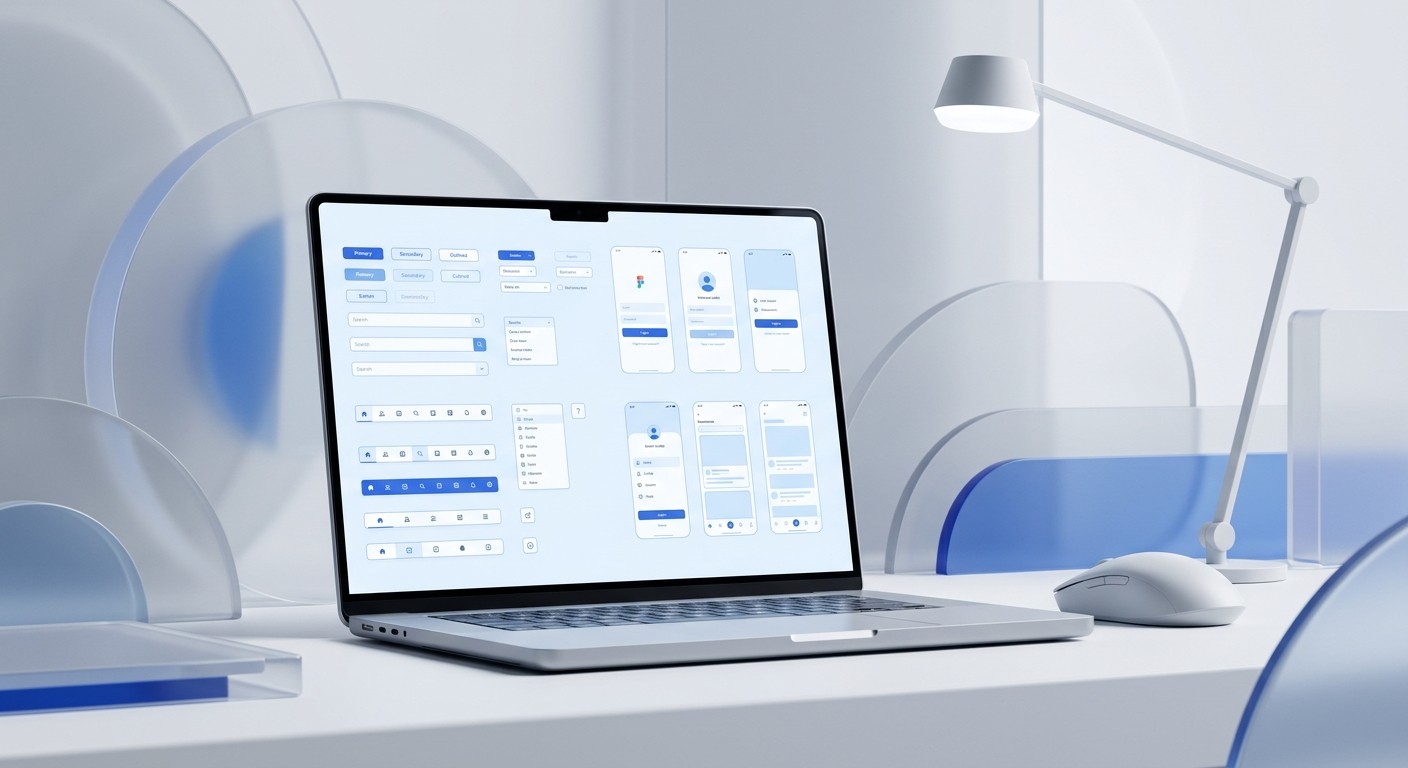
The best figma wireframe kits startup mvps are lightweight, component-based systems that prioritize speed and user logic over visual polish. We recommend using low-fidelity kits to validate core features before investing in high-fidelity design.
Which wireframe kit is best for a SaaS MVP?
The answer is a kit that uses a modular design system to allow for rapid iteration. The best figma wireframe kits startup mvps focus on layout and functionality rather than colors or typography. This approach prevents founders from getting stuck in design details while the product logic is still unverified. We use these kits to map out user flows in hours instead of days.
Speed is the most critical metric for early-stage companies. According to research by Failory (2024), approximately 90% of startups fail, often because they spend too much time building features that the market does not want. Low-fidelity wireframes act as a cheap insurance policy. They allow you to test concepts with potential users without writing a single line of code or hiring an expensive agency. By using a pre-built kit, you ensure your components are consistent and scalable from the first day.
A high-quality wireframe kit should include essential elements like navigation bars, form fields, buttons, and content blocks. These elements must be built with Auto Layout in Figma to ensure they resize correctly as you change text. We find that kits using a clear naming convention for layers make it easier for developers to understand the design intent. This clarity reduces friction when moving from the design phase to the actual build.
Why do top low fidelity figma kits accelerate product-market fit?
The answer is that low-fidelity kits reduce cognitive load for both the founder and the tester. When a design looks finished, testers often focus on the colors or the logo. When a design is clearly a wireframe, they focus on how the product actually works. These top low fidelity figma kits encourage brutal honesty from users, which is the only way to reach product-market fit quickly.
A study by the Nielsen Norman Group found that low-fidelity prototypes are effective because they are fast to create and easy to discard. If you spend forty hours on a beautiful high-fidelity design, you are less likely to change it when a user gives negative feedback. If you spend forty minutes on a wireframe, you are happy to delete it and try again. This flexibility is what allows best prototyping kits 2026 to provide so much value. They simplify the process of making mistakes early and often.
We believe that quick startup ui design is not about cutting corners; it is about prioritizing the right tasks. Using a kit allows you to maintain a professional standard while moving at a startup pace. This professional look is vital when presenting to early investors or potential partners. Even a low-fidelity wireframe looks intentional and clean when it follows a structured grid system provided by a high-end kit.
How do the best prototyping kits 2026 compare?
The answer is that each kit serves a specific stage of the design process. Some focus on mobile app interactions, while others are built for complex SaaS dashboards. We have curated this list based on component flexibility, ease of use, and documentation quality. These are the tools we see being used by the most efficient product teams today.
Kit Name | Primary Use Case | Fidelity Level | Pricing |
|---|---|---|---|
Relume Library | SaaS Landing Pages | Low | Freemium |
Untitled UI Wireframes | Complex Dashboards | Mid | Paid |
Flowbite Figma | Developer Handoff | Mid | Freemium |
Tetrisly | Design Systems | Mid | Paid |
Figma Low-Fi Kit | Rapid Ideation | Low | Free |
Keep Design | Minimalist SaaS | Mid | Free |
Relume: Is this the fastest tool for quick startup ui design?
Relume is a massive library of 1,000+ components specifically built for marketing sites and SaaS front-ends. It is widely considered the gold standard for quick startup ui design because it uses a structured class system. This allows founders to build page layouts by simply dragging and dropping pre-made blocks. We prefer Relume when we need to visualize a landing page to test a value proposition before building the actual product.
One of the standout features of Relume is its integration with AI. You can generate a full sitemap and wireframe layout by typing a prompt. This speeds up the discovery phase significantly. According to data on design productivity, teams using component-based libraries can complete initial layouts 50% faster than those building from scratch. This efficiency is why many agencies use Relume as their starting point for every new client project. It ensures a high floor of quality without requiring hundreds of manual design hours.
Untitled UI: Why is it the industry standard for saas wireframe templates?
Untitled UI is perhaps the most famous Figma design system on the market. Their saas wireframe templates are part of a larger ecosystem that grows with your company. The wireframe version is stripped of all styling, focusing purely on the hierarchy of information. This is perfect for founders who want a kit that can eventually be upgraded to a full high-fidelity design system without changing the underlying structure.
The wireframe kit includes over 2,000 components, making it one of the most exhaustive resources available. We find that the clear documentation helps non-designers navigate the library without feeling overwhelmed. Because it uses the latest Figma features like Variables and Component Properties, the kit is highly adaptable. You can toggle between different states or sizes with a single click. This technical depth ensures that your MVP design remains organized as you add more features and complexity.
Flowbite: How does it bridge the gap between design and code?
Flowbite is unique because it is built specifically for developers who use Tailwind CSS. If your MVP is being built with a modern tech stack, Flowbite provides the most direct path from Figma to code. These best figma wireframe kits startup mvps use the same naming conventions and spacing rules as the Tailwind framework. This means that once you approve a wireframe, your developer can find the exact corresponding component in their code library.
We recommend Flowbite for technical founders who are building the product themselves. It removes the guesswork from the design-to-code transition. Research by McKinsey (2022) indicates that companies with strong design-to-development integration grow revenue 32% faster. By using a kit that speaks the same language as your code, you eliminate the "lost in translation" moments that usually happen during the handoff phase. It is a practical choice for small teams where every hour of engineering time is precious.
Figma Wireframe Assets Free: Is the official kit enough?
The answer is yes if you are in the earliest stage of ideation. Figma offers their own figma wireframe assets free in the community gallery. This kit is intentionally basic, featuring simple shapes and placeholders. It is the best option for founders who want to sketch out an idea quickly without learning a complex system. We often use the official kit for internal brainstorming sessions where visual consistency is less important than raw speed.
While the free kit lacks the depth of a premium system like Untitled UI, it covers the basics of mobile and desktop UI. It includes headers, footers, card layouts, and basic forms. The primary benefit is that it is lightweight. You can open a new file, copy the components, and start building in seconds. For a solo indie hacker or a founder at the "napkin sketch" stage, this kit provides enough structure to communicate an idea to a potential co-founder or a first customer.
How do you turn wireframes into social media content?
The answer is to use your wireframes as proof of progress in your marketing. We find that founders who share their "work in progress" designs on LinkedIn or X (formerly Twitter) generate more engagement than those who only post polished finished products. Showing a wireframe signals that you are actively building and listening to feedback. This transparency builds trust with your early audience and creates a sense of community around your startup.
To make these wireframes look professional on social media, you can use customizable social media templates to frame your Figma screenshots. Placing a low-fidelity wireframe inside a premium, minimalist carousel frame makes it look like a high-end design case study rather than just a rough draft. This is a powerful way to look like an established company while you are still in the MVP phase. It allows you to build a personal brand and a product brand simultaneously with minimal extra effort.
What criteria should you use to select a wireframe kit?
Selecting the right kit depends on your specific goals and technical background. We suggest evaluating kits based on three main factors: component variety, ease of customization, and developer alignment. If your kit is too limited, you will find yourself building custom components, which defeats the purpose of using a kit in the first place. If it is too complex, you will spend more time learning the system than designing your product.
Check if the kit uses Figma's Auto Layout 5.0 for modern responsiveness.
Ensure the kit includes a comprehensive set of icons that match the design style.
Look for documentation that explains how to use the components and styles.
Verify that the kit is updated regularly to support new Figma features.
In our experience, the best choice for most SaaS founders is a mid-fidelity kit that offers a balance of speed and scalability. These kits allow you to move from an MVP to a Version 1.0 without having to restart your design file from scratch. By investing in a solid foundation early, you save hundreds of hours of design debt in the future. The best figma wireframe kits startup mvps are not just about drawing boxes; they are about building the blueprint for your company's future product.