Figma vs Adobe Express Startups Comparison 2026: Which Tool Wins?
We compare Figma vs Adobe Express startups performance for 2026. Choose between Figma's design systems and Adobe's AI speed to scale your startup marketing.
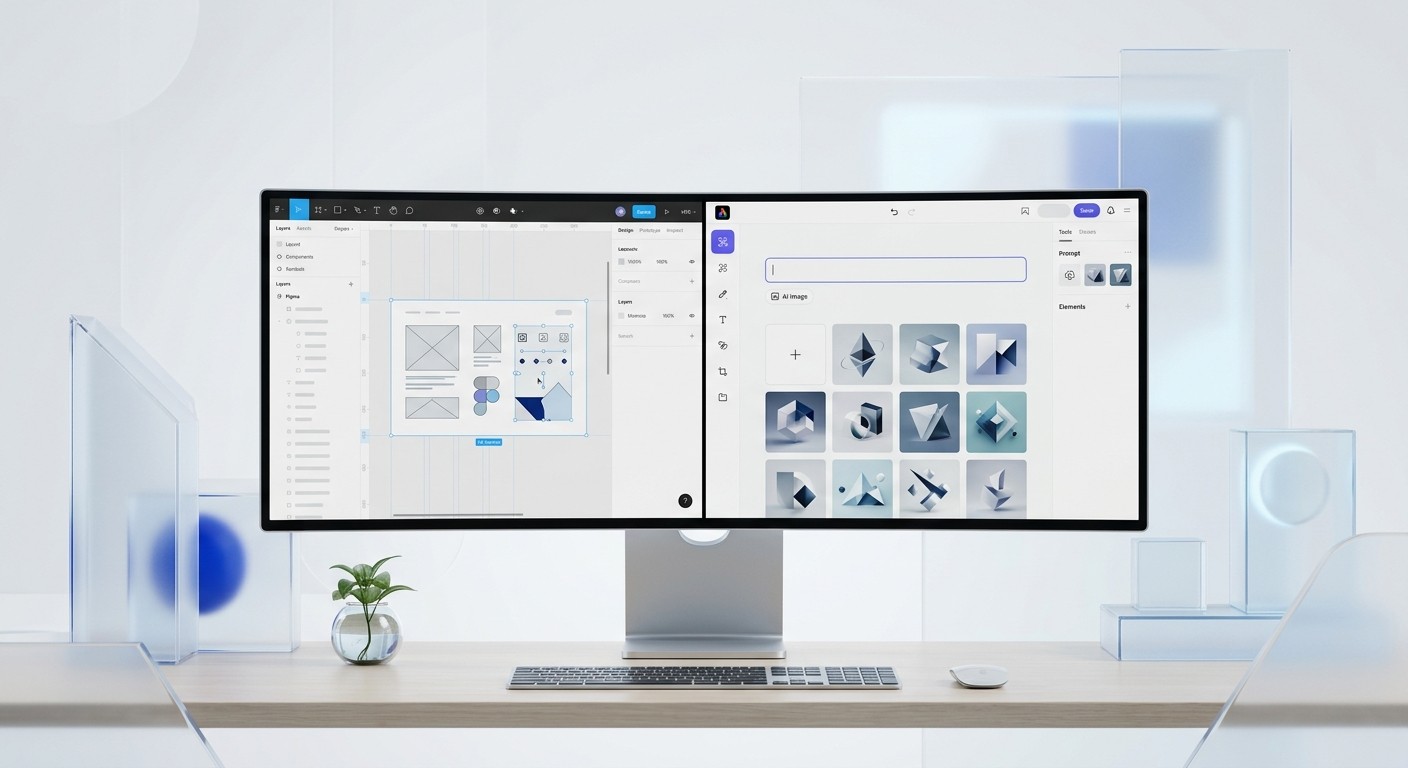
The choice between figma vs adobe express startups depends on your need for scalability versus speed. Figma is the superior choice for building a long-term design system and cohesive brand assets, while Adobe Express excels at rapid, AI-driven social media content creation for solo founders.
Which tool is better for a startup marketing stack?
The answer is that Figma is the better choice for teams prioritizing brand consistency, while Adobe Express is the winner for speed and AI-assisted content production. A startup marketing stack needs to balance asset creation with brand integrity to ensure every post builds credibility. Choosing the wrong tool early leads to design debt that slows down growth as the company scales.
Figma is a collaborative interface design tool that uses vector-based logic to create flexible, scalable assets. It is the industry standard for product design, but it has increasingly become the preferred choice for marketing teams that want to maintain a single source of truth for their brand. Companies that prioritize design-led growth see 32% more revenue growth over a five-year period than their peers (McKinsey, 2018). This data suggests that the precision offered by Figma provides a measurable competitive advantage for startups.
Adobe Express is a cloud-based design platform that focuses on accessibility and rapid output through templates and generative AI. It is designed for non-designers who need to ship content quickly without learning complex software. While it lacks the rigorous component structure of Figma, it offers deep integration with the Adobe Creative Cloud ecosystem. For a lean startup, the decision rests on whether you need a design system that scales or a content engine that moves as fast as a social media trend cycle.
How does Figma improve brand consistency for SaaS teams?
The answer is that Figma uses a component-based architecture that allows marketing teams to update brand elements once and see those changes reflected across every asset instantly. This prevents the brand drift common in fast-moving startups where old logos or incorrect colors appear on new posts. For any SaaS company, looking professional is the first step toward building trust with enterprise buyers.
Figma for marketing teams is centered around the concept of the Design System. This is a collection of reusable components and clear standards that can be assembled to build any number of applications or marketing assets. When we build our systems in Figma, we use variables for colors and spacing. If the brand evolves, we change a single hex code, and every social media card, landing page mockup, and slide deck updates automatically. This level of control is why Figma remains the best design tool saas founders use to maintain a premium look while moving fast.
Building a design system in Figma requires an initial time investment that pays dividends as the team grows. According to industry data, design teams that use a structured system are significantly more efficient than those that build every asset from scratch (Figma, 2023). This efficiency is vital for a startup that cannot afford to hire a full-time graphic designer for every social media post. By creating a library of master components, a marketing lead can produce a week's worth of content in minutes while remaining perfectly on-brand. This workflow reduces the friction between having an idea and publishing it to your audience.
When should a founder choose Adobe Express for social media?
The answer is that a founder should choose Adobe Express when they need to produce high volumes of visual content without any prior design training. Adobe Express social media features include a massive library of stock assets, one-click background removal, and AI-powered text-to-image generation. These features make it an excellent tool for testing content ideas quickly before committing to a more formal design process.
Adobe Express is built on the Firefly AI engine, which has already helped users generate over 1 billion images since its inception (Adobe, 2023). This AI integration is a significant advantage for founders who need to create custom imagery for blog posts or LinkedIn updates without a photography budget. The tool provides a drag-and-drop interface that feels more like a document editor than a design program, which lowers the barrier to entry for team members who find Figma intimidating. If your priority is sheer volume and speed, Adobe Express is a formidable option.
However, the trade-off for this speed is a lack of deep customization and structural integrity. Assets created in Adobe Express are often harder to move into other professional design workflows. While it is excellent for a single Instagram post, it is not the place to build the foundation of a SaaS brand. Startups often use Adobe Express as a secondary tool in their startup marketing stack for quick iterations, while keeping their core brand identity safely stored in a more robust design environment. This hybrid approach allows for creative freedom without sacrificing the professional look that sophisticated B2B audiences expect.
Why is a design system essential for scale-up marketers?
The answer is that a design system is essential because it eliminates repetitive work and ensures that every piece of content reinforces the brand identity. As a startup scales, the number of people creating content increases, making it harder to control quality. A design system acts as a set of guardrails that allows anyone on the team to produce high-quality visuals without constant supervision from a creative director.
Marketing budgets in the modern era are shifting toward agile content creation as companies strive to stay relevant on platforms like LinkedIn and X (Gartner, 2023). A design system built in Figma allows for this agility by providing a library of pre-approved layouts and elements. For example, a marketing manager can swap a headline and an image in a pre-built component and have a finished post in seconds. This is significantly faster than starting from a blank canvas in a less structured tool. It also ensures that the spacing, typography, and logo placement remain identical every single time.
We find that the most successful startups treat design as a core component of their product, not just a coat of paint. By using cloud design software to build a central repository of assets, you ensure that your marketing team and your product team are using the same visual language. This creates a cohesive experience for the user from the first social media ad they see to the moment they log into the app. This consistency is a hallmark of premium brands and is a major reason why venture-backed startups tend to favor Figma over more casual design tools during their growth phase.
What are the pricing differences for lean startup teams?
The answer is that both tools offer competitive free tiers, but their paid models cater to different needs. Figma's pricing is based on the number of editors, making it more expensive as your team grows, while Adobe Express is often included in existing Creative Cloud subscriptions. For a lean startup, the total cost of ownership must include the time spent learning the tool and the cost of third-party assets.
Feature | Figma (Professional) | Adobe Express (Premium) |
|---|---|---|
Price per User | $12 - $15 / month | $9.99 / month |
Learning Curve | Moderate to High | Low |
Design System Features | Advanced Components | Basic Libraries |
AI Capabilities | Plugins & Widgets | Native Firefly Integration |
Stock Assets | Via Plugins | Full Adobe Stock Access |
Figma is free for individuals, which is perfect for solo founders. As you add more team members, the Professional plan becomes necessary to share libraries and collaborate in real-time. Adobe Express Premium is slightly cheaper and provides access to millions of Adobe Stock photos and thousands of fonts. If your team already pays for Photoshop or Illustrator, Adobe Express is likely already part of your package at no extra cost. This makes it a very attractive option for teams that are already deep into the Adobe ecosystem.
When evaluating cost, consider the value of your team's time. A slightly higher monthly fee for Figma might be justified if it saves your marketing lead five hours of manual design work per week. Conversely, if your team only needs to make simple edits to stock photos, paying for a Figma seat might be overkill. Most successful startups choose a tool based on the complexity of their marketing goals rather than just the monthly subscription price. Invest in the tool that allows your team to ship better work with less friction.
How do you integrate these tools into a marketing workflow?
The answer is that you should use Figma as your "Design Lab" for creating master templates and Adobe Express as your "Production Studio" for quick social media adaptations. This hybrid workflow allows you to maintain professional standards while moving at the speed of social media. Integrating these into your startup marketing stack involves setting clear boundaries for where each tool begins and ends.
Effective visual content is a priority for 63% of marketers who want to grow their presence on social media (HubSpot, 2024). To achieve this, we recommend building your core brand assets in Figma. This includes your logo variants, color palettes, and standard typography styles. Once these are set, you can create master templates for carousels and static posts. If you have a dedicated designer, they can maintain these in Figma. If you are a solo founder, you can use Figma-based design templates that are already optimized for engagement and conversion, saving you hours of setup time.
For high-frequency platforms like Instagram Stories or TikTok, you can export your Figma brand elements and import them into Adobe Express. This allows you to use Adobe's mobile app and AI features to create spontaneous content that still feels like it belongs to your brand. By using cloud design software in this way, you bridge the gap between rigorous design and rapid execution. This ensures that your brand looks as established as a Fortune 500 company, even if you are just a team of two working out of a home office. This structured approach to design is what separates viral brands from those that struggle to get noticed.
The competitive advantage of Figma-based workflows
Figma offers a level of precision that is unmatched in the browser-based design world. Features like Auto Layout allow designs to behave like web pages, where elements reflow based on the content. This is a massive time-saver for marketing teams that need to create multiple versions of the same post for different platforms. Instead of manually resizing every text box, Figma handles the layout for you.
LinkedIn carousels are currently one of the highest-performing content types, generating an average engagement rate of 1.92% (Socialinsider, 2024). To capitalize on this, you need a tool that can handle multi-page layouts with ease. Figma’s infinite canvas is perfect for visualizing a 10-slide carousel as a single sequence. This bird's-eye view helps you ensure that the narrative flow and visual transitions are seamless. Adobe Express can handle multi-page documents, but it lacks the advanced prototyping and layout tools that make Figma a favorite among professional designers.
The real power of Figma lies in its community and plugin ecosystem. There are thousands of free plugins that can automate tasks like generating placeholder text, checking color contrast for accessibility, or even creating 3D mockups. For a startup, this means you can extend the capabilities of the tool without writing a single line of code. It effectively turns a single user into a mini-design agency. While Adobe Express is catching up with its own add-ons, the depth of the Figma community remains its greatest asset for teams that want to push the boundaries of their visual content.
Final verdict for your startup
In the debate of figma vs adobe express startups, there is no single winner, only the right tool for your current stage. If you are a solo founder focused on rapid testing and social media volume, Adobe Express provides the lowest barrier to entry and the fastest results through AI. It is an excellent starting point for getting your first 1,000 followers and establishing a basic online presence without high costs.
If you are a SaaS company with a product in market, Figma is the clear choice. The need for a cohesive design system and professional-grade assets outweighs the slight learning curve. Building your marketing on a foundation of Figma components ensures that as you hire more people, your brand remains consistent and your workflows stay efficient. This maturity in design is a signal to investors and customers that your company is built to last.
We recommend starting with a clear understanding of your content goals. If you find yourself struggling with design software or publishing content that feels amateur, it is time to upgrade your workflow. By adopting professional tools and structured templates, you move from being a reactive content creator to a strategic brand builder. Start small, but choose the tools that allow you to grow without limitations. The right design stack is not an expense; it is a growth engine for your startup.
References
The Business Value of Design. McKinsey & Company, 2018.
2024 Social Media Industry Benchmarks. Socialinsider, 2024.
Design Systems: The State of the Industry. Figma, 2023.
Adobe Firefly Generates 1 Billion Images. Adobe, 2023.
Annual CMO Spend Survey. Gartner, 2023.
State of Marketing Report. HubSpot, 2024.