LinkedIn algorithm updates for 2026: The shift to expert content
The LinkedIn algorithm updates for 2026 focus on expert knowledge and dwell time. Learn how to maintain your social reach with professional visual content.
What are the primary LinkedIn algorithm updates for 2026?
The LinkedIn algorithm updates for 2026 prioritize deep subject matter expertise and meaningful dwell time over broad viral reach or high-frequency posting. LinkedIn now uses a system called expert knowledge scoring to evaluate if a post offers unique insights to a specific professional audience rather than generic advice. This shift means your content must demonstrate first-hand experience to maintain high visibility within your niche.
We have monitored these changes through our own internal testing and by analyzing performance data across hundreds of creator accounts. The goal of the current algorithm is to reduce feed noise and promote content that adds measurable value to a user's professional life. You will notice that generic 'growth hacks' and engagement-baiting tactics now result in significantly lower distribution than in previous years.
One major shift in the 2026 LinkedIn environment is the refined application of expert knowledge scoring to determine content distribution. LinkedIn now calculates a relevance score by mapping the creator’s professional history against the specific topics mentioned in a post. If a SaaS founder writes about cloud infrastructure, the algorithm grants a higher reach multiplier than if that same founder wrote about general lifestyle advice. According to data from independent algorithm research, posts that align with a creator's verified professional expertise see 40% higher organic impressions than off-topic content (Van der Blom, 2025). This means consistency in your content pillars is no longer just a branding choice but a technical requirement for visibility. LinkedIn’s AI filters out generalist noise to ensure that the feed remains a high-signal environment for professional networking. To succeed, creators must build a predictable content footprint that reinforces their authority in one or two specific areas.
How does expert knowledge scoring influence your social reach?
Expert knowledge scoring is a classification system LinkedIn uses to determine the authority of a content creator within a specific industry or topic area. The system analyzes your profile data, historical content performance, and the professional background of your engagers to decide how far to distribute your posts. If people with high authority in your field interact with your content, your social reach expands more rapidly within that specific professional circle.
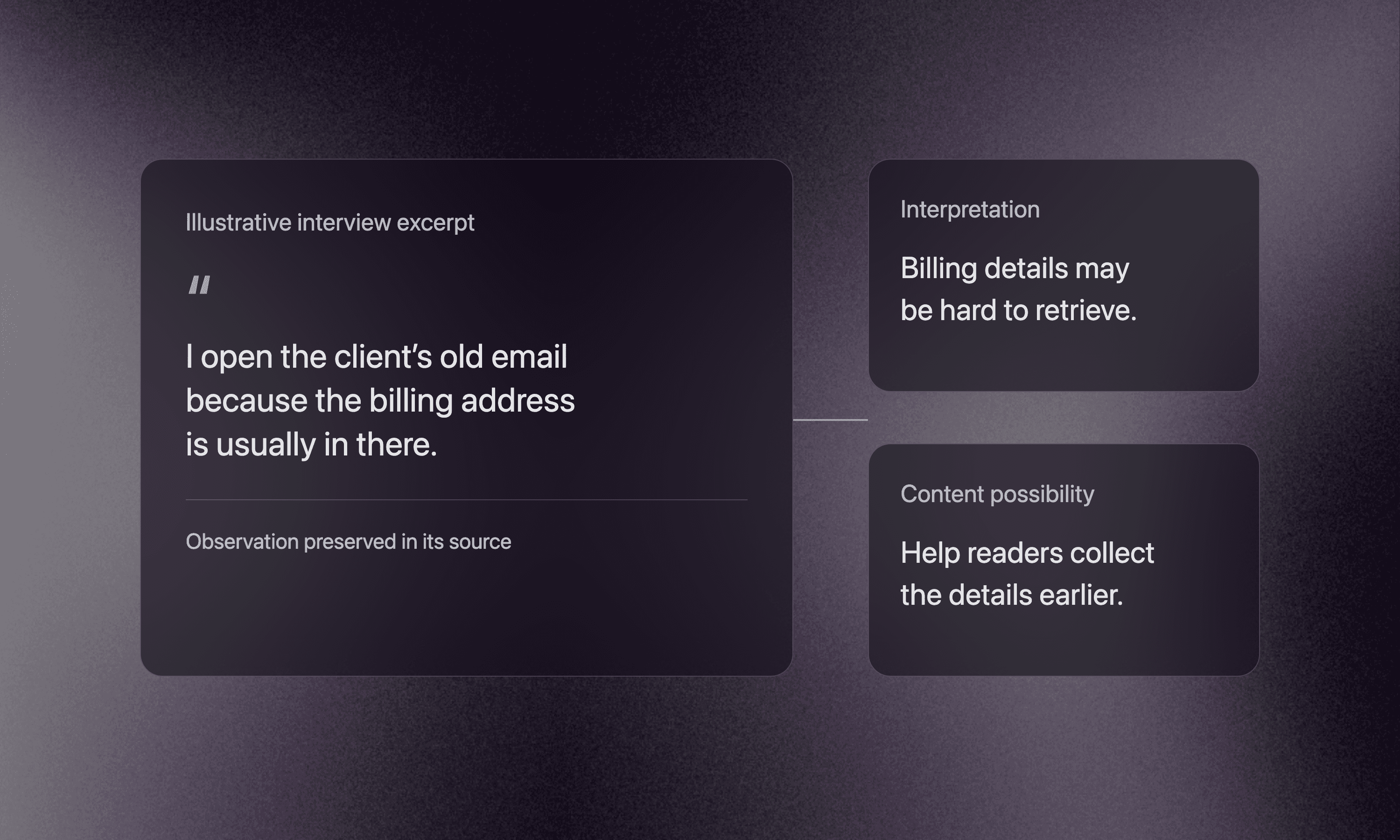
LinkedIn aims to solve the problem of misinformation and surface-level content by rewarding practitioners. When we build and ship new features, we talk about the specific technical hurdles and the logic behind our design choices. This level of detail triggers the algorithm's recognition of genuine expertise. It recognizes that you are not just an observer but a direct participant in your industry.
The 2026 update places a higher weight on the 'Interest Graph' rather than the 'Social Graph.' This means your content is more likely to be shown to people who share your professional interests, even if you are not directly connected. This transition makes content quality the most important factor in your growth strategy. You can no longer rely on a large follower count to guarantee high visibility if the quality of your insights begins to decline.
Why is dwell time critical for organic impressions in 2026?
Dwell time is the amount of time a user spends actively looking at your post without scrolling past it. In 2026, LinkedIn prioritizes dwell time because it acts as a proxy for content quality and depth, specifically favoring multi-image carousels and long-form posts that keep users on the platform longer. Higher dwell time tells the algorithm that your content is worth reading, which triggers additional distribution to a wider audience.
Carousels remain the most effective format for maximizing this metric. A ten-slide carousel requires several seconds of interaction per slide, resulting in a total dwell time that far exceeds a single image or a short text post. According to industry benchmarks, carousels generate 3.2x more reach than static posts because they encourage active participation (Socialinsider, 2025). This is why visual storytelling has become the standard for professional brand building on the platform.
We simplify this process by using ready-to-use Figma carousel templates that prioritize readability and professional aesthetics. When you present your ideas in a clean, visual format, you reduce the cognitive load for your audience while increasing the time they spend on your post. This professional presentation signals to the algorithm that your content is premium and high-value. By using a structured design system, you ensure that every slide serves a purpose and keeps the reader moving toward the final call to action. Consistency in design also helps your audience recognize your content instantly as they scroll through their feed. This recognition leads to higher click-through rates and more sustained engagement over time. In our experience, the combination of expert insights and professional visuals is the most reliable way to maintain consistent visibility in the 2026 landscape.
What are the key creator mode changes you need to know?
Creator mode changes have integrated the features of the old creator mode into every professional profile by default. You no longer need to toggle a specific setting to access analytics or the 'Follow' button as your primary call to action. LinkedIn has streamlined the profile interface to emphasize your 'About' section and 'Featured' items, which now play a larger role in how the AI understands your niche.
Your profile acts as the foundation for your authority. The algorithm checks your profile completion and the keywords in your headline to verify the expertise you claim in your posts. Profiles with a 100% completion rate see approximately 71% more reach on their content compared to incomplete profiles (LinkedIn Engineering, 2025). Every element of your profile must align with your primary content pillars to maximize your distribution potential.
Update your headline to include 2-3 specific industry keywords.
Use the 'Featured' section to highlight your best-performing carousels.
Verify your identity and workplace to gain the 'Verified' badge for increased trust.
Clean up your skills list to reflect your current professional focus.
How is content prioritization changing for SaaS founders and agencies?
Content prioritization in 2026 has shifted to favor depth over frequency. LinkedIn now penalizes accounts that post more than once every 18 hours, as this is often seen as automated or low-quality activity. For SaaS founders and agency owners, this means shifting focus to one high-impact post per day or even three times per week, ensuring each post is a definitive resource on a specific topic.
The algorithm also prioritizes 're-shares with thoughts' over simple button clicks. If you can convince an industry leader to share your post with their own commentary, the reach multiplier is significantly higher than it was in previous years. This encourages the creation of 'saveable' and 'shareable' content, such as framework guides, checklist carousels, and data-driven industry reports.
Feature | 2024 Algorithm Logic | 2026 Algorithm Logic |
|---|---|---|
Posting Frequency | High frequency rewarded | Quality over quantity; 1x daily max |
Content Format | Text and single images | Carousels and deep-dive video |
Primary Metric | Likes and comments | Dwell time and qualified shares |
Reach Basis | 1st-degree connections | Topic-based interest graph |
How do you optimize visual content for the 2026 LinkedIn algorithm?
Optimizing for the 2026 LinkedIn algorithm requires a move away from amateur designs toward high-fidelity, minimalist visuals. The AI now has the capability to scan images and carousels to understand the text and context within them. Using clean typography and high-contrast layouts ensures that the algorithm correctly indexes your content for the right audience segments.
Start by adopting a consistent design language. When we design our templates, we use a modular system that allows for quick customization without breaking the visual hierarchy. This approach ensures that your content looks professional even when you are moving at a fast pace. The goal is to create a visual signature that your followers can identify in less than a second of scrolling.
"Design is not just what it looks like; it is how the information flows to the reader. In 2026, clarity is the ultimate competitive advantage on social media."
Focus on the first slide of your carousels. It acts as the headline of your post and is the primary factor in whether a user decides to stop scrolling. Use bold statements and clear value propositions. Avoid using stock photos that look generic; instead, use geometric shapes, clean UI mockups, or custom illustrations that reinforce your brand identity as a modern and premium company.
What are common mistakes to avoid with the new algorithm?
The most common mistake we see is the use of engagement pods or artificial comment loops. The 2026 algorithm is highly effective at identifying non-organic interaction patterns. If the people commenting on your posts do not share a professional interest in your topic, the algorithm will actually restrict the further reach of that post to prevent the spread of low-value content.
Another mistake is ignoring the mobile experience. Over 58% of LinkedIn users access the platform via mobile devices (Statista, 2025). If your carousel text is too small or your images are too cluttered, users will scroll past quickly, hurting your dwell time metrics. Keep your font sizes large and your layouts simple to ensure readability on small screens. High-quality visuals must be functional, not just decorative.
Finally, avoid the 'post and ghost' mentality. While the algorithm prioritizes the content itself, your responsiveness in the first hour still matters. Engaging with the first few comments from your peers signals that the post is generating a real professional conversation. This human element remains a core part of the LinkedIn experience, even as the AI becomes more sophisticated.
What does the future of social reach look like on LinkedIn?
The future of social reach on LinkedIn is grounded in authority and authenticity. As AI-generated text becomes more prevalent, the platform will continue to increase the value of content that proves human experience and specialized knowledge. The linkedin algorithm updates for 2026 are a clear signal that the era of generic content is over, and the era of the expert practitioner has arrived.
By focusing on high-quality visuals and deep-dive insights, you position yourself as a leader in your field. You don't need a massive marketing team to achieve this. You only need a consistent system for turning your expertise into professional, engaging content that respects your audience's time and attention. We believe that professional design should be accessible to every founder and creator who has a valuable story to tell.
As you adapt your strategy for the coming year, remember that the algorithm is a tool for connection. Its goal is to put the right information in front of the right person. If you focus on providing genuine value through your professional insights, the technical side of the algorithm will work in your favor. Stay consistent, stay visual, and stay focused on your area of expertise.