The Art of Content Curation: Growing on LinkedIn Without Writing
Discover how to curate content for LinkedIn effectively. Save time, build authority, and engage your network with these proven strategies and free tips.
In the fast-paced digital landscape of 2026, the pressure to produce original, groundbreaking ideas daily is overwhelming. Many professionals stare at a blank screen, paralyzed by the need to write something "perfect." However, there is a more efficient path to growth that requires less writing and offers more value: content curation. Learning how to curate content for LinkedIn is not just a time-saver; it is a strategic maneuver that positions you as a knowledgeable resource rather than just another noise-maker.
This guide explores the mechanisms of successful curation, ensuring you can grow your network and authority without writing long-form articles from scratch every single day.
What Does It Mean to Curate Content?
Curation is the act of discovering, gathering, and presenting digital content that surrounds a specific subject matter. Unlike simple aggregation, which is an automated collection of links, curation involves a human touch. It requires you to filter through the vast amount of industry news and information available, selecting only what is most relevant to your audience.
Think of a museum curator. They do not paint every canvas on the wall; rather, they select the best pieces, arrange them in a logical order, and provide context cards that explain why the art matters. When you curate for LinkedIn, you perform the same service for your professional network. You save them the trouble of finding the signal in the noise.
Why Curation is a Superior Networking Strategy
Many users believe that growth only comes from sharing personal stories or original frameworks. While those are valuable, a solid networking strategy relies on consistency and utility. Curation provides both.
Establishing Thought Leadership Without Drafting
You do not need to be the original source of breaking news to be the person who brings it to your network's attention. By consistently sharing high-quality resources, you train your audience to look to you for information. You become the go-to filter. Over time, this builds immense trust; your followers know that if you post it, it is worth reading.
Saving Time While Increasing Consistency
Writing a high-quality article takes hours. Finding a high-quality article, reading it, and adding your perspective takes twenty minutes. This efficiency allows you to maintain a daily posting schedule, which is critical for keeping your profile active in the LinkedIn algorithm.
Step-by-Step: How to Curate Content for LinkedIn
To master how to curate content for LinkedIn, you need a system. Relying on random scrolling will not yield consistent results. Follow this structured approach to ensure your feed remains fresh and valuable.
Step 1: Identify Trusted Sources for Industry News
Your output is only as good as your input. You must cultivate a list of diverse and reliable sources. Do not rely solely on major news outlets that everyone else is already reading. Look for:
Niche newsletters that dive deep into specific verticals.
Academic journals or white papers.
Influential thought leaders on other platforms like X (formerly Twitter) or Threads.
Step 2: Select High-Impact Topics
Not every piece of news is worth sharing. Before you choose a piece of content, ask yourself: Does this solve a problem for my audience? Is this surprising? Is this actionable? If the answer is yes, it is a candidate for curation.
Step 3: The "Value Add" Methodology
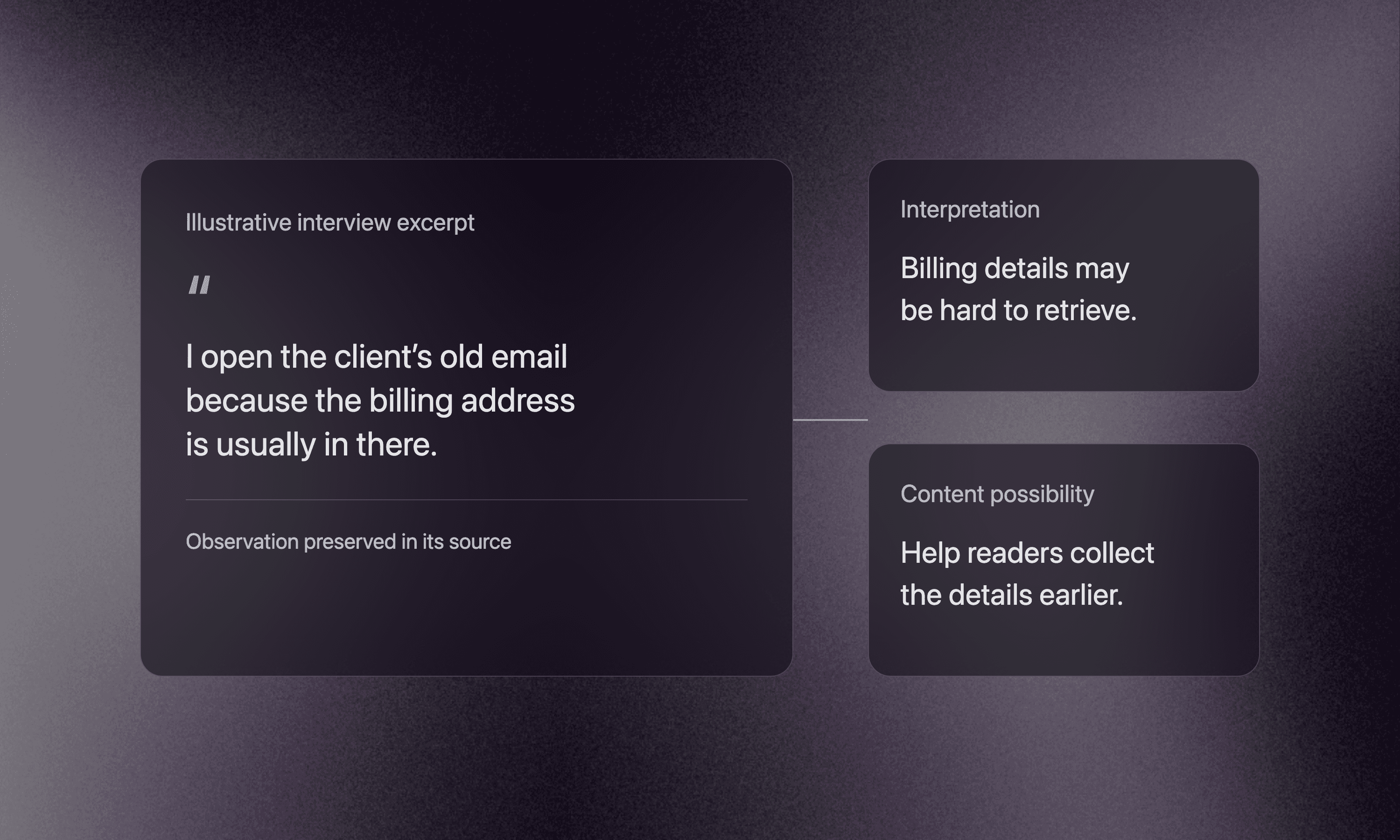
This is the most critical step. Never share a link without context. You must provide a value add. This means stripping away the fluff and telling your reader exactly why they should care. If you simply post a link with the caption "Great read," you have failed to curate; you have merely shared.
The Importance of Commentary and Context
The difference between a spam bot and a thought leader is commentary. Your unique perspective is the "original" part of curated content. Here are three frameworks to help you structure your thoughts effectively.
The Summary Framework
People are busy. They often do not have time to read a 2,000-word industry report. Do the heavy lifting for them. Read the report, extract the top five key statistics or takeaways, and present them as a bulleted list. Your audience gets the value instantly, and they credit you for saving their time.
The Counter-Argument Approach
Do not be afraid to disagree with the content you are sharing. If a popular article claims that "AI will replace all designers," you can share it while respectfully explaining why you believe the human element remains irreplaceable. This invites debate and boosts engagement in the comments section.
The "Why This Matters" Perspective
Sometimes, news is dry. A regulation change or a software update might seem boring until you explain the implications. Use your caption to connect the dots. Explain how this piece of news will impact your reader's job, budget, or future strategies.
Visualizing Your Curated Content
In 2026, text-only posts can struggle to capture attention. Visuals stop the scroll. When you are learning how to curate content for LinkedIn, you must also learn how to package it visually.
Turning Articles into Carousel Slides
One of the most effective ways to present curated lists or summaries is through a carousel (a PDF document that users swipe through). Instead of writing a text block, break your summary down into 5-7 slides. This format increases "dwell time," a metric the algorithm loves.
Creating these visuals does not require a design degree. You can use our Social Media Kit to quickly drag and drop your text into professional layouts. This ensures your curated insights look polished and branded, elevating the perceived value of the information.
Creating Curated Lists and Infographics
People love lists. "Top 10 Tools for SEO" or "5 Books Every Manager Should Read" are evergreen formats. You can take recommendations from various sources and compile them into a single, easy-to-read graphic. Again, utilizing a template from our Social Media Kit can speed up this process significantly, allowing you to focus on the research rather than pixel-pushing.
Advanced Sourcing Techniques
To stand out, you need to find content that your competitors have missed.
Leveraging Niche Newsletters
Subscribing to broad newsletters leads to generic content. Dig deeper. Find the newsletters written by the engineers, the developers, or the operational managers. These sources often contain the gritty details that high-level publications gloss over.
Monitoring Competitor Comment Sections
Sometimes the best content isn't the post itself, but the discussion happening underneath it. If you see a heated debate in a comment section, you can curate that conversation. Take screenshots (blurring names for privacy if necessary) or summarize the opposing viewpoints as a new post on your profile.
Best Practices for Crediting and Tagging
Ethical curation is non-negotiable. You are leveraging someone else's intellectual property to build your audience; you must give credit where it is due.
The Golden Rule of Attribution
Always tag the original author and the publication. If you are summarizing a book, tag the author. If you are sharing a YouTube video, tag the creator. This is not just legal safety; it is good manners.
Encouraging Reciprocity
When you tag a creator and add thoughtful commentary praising their work, they are likely to comment on your post. This exposes your profile to their audience, effectively cross-pollinating your networks. This is a subtle but powerful networking strategy.
Common Mistakes to Avoid When Curating
Even with good intentions, you can hurt your reach if you execute curation poorly.
Over-posting External Links
LinkedIn wants to keep users on LinkedIn. If every post you make includes a link that drives traffic away from the site, the algorithm may throttle your reach.
The Fix: Post your summary and visuals in the main body of the post. Place the link to the external source in the comments or your bio, or use the "Link" sticker if posting an image.
Lack of Personal Voice
If you curate content but sound like a corporate press release, people will tune out. Use "I" statements. "I found this interesting because..." or "My experience differs here..." Humanize the curation.
Measuring the Success of Your Curation
You need to know if your efforts are working. When you analyze your analytics, focus on "Saves" and "Shares."
Saves: Indicate that your content was so valuable the user wants to reference it later. This is the ultimate compliment for curated lists.
Shares: Indicate that the user wants to be associated with the intelligence you provided.
High engagement on curated posts proves that you have successfully pinpointed what your audience cares about.
Frequently Asked Questions (FAQs)
Is content curation legally safe?
Yes, provided you follow fair use principles. Never copy an entire article word-for-word and claim it as yours. Always provide a summary in your own words, use short quotes, and strictly link back to the original source. Attribution is key to legality and trust.
What is the ideal ratio of original vs. curated posts?
A common rule of thumb is the 4-1-1 rule or the 60/40 split. You might aim for 60% curated content (because it is easier to produce) and 40% original stories or promotional content. Test different ratios to see what your specific audience prefers.
Can I curate content from my competitors?
Absolutely. Doing so displays confidence. If a competitor releases a great industry report, sharing it with your value add shows that you care more about educating your audience than engaging in petty rivalries. It establishes high-level authority.
How does the LinkedIn algorithm treat curated content?
The algorithm prioritizes engagement (dwell time, comments, likes). If you just post a raw link, it will perform poorly. If you post a native carousel using our Social Media Kit or a long-form text summary without immediately linking out, the algorithm treats it just like high-quality original content.
Do I need expensive tools to curate effectively?
No. Free tools like Feedly (RSS reader), Google Alerts, and the "Save" feature on LinkedIn are sufficient for beginners. As you scale, you might invest in social listening tools, but they are not required to start.
How do I convert curated views into leads?
Use your bio and the "Featured" section. If your curated content builds trust, users will visit your profile. Ensure your profile clearly states what you sell or offer. You can also occasionally weave a call-to-action into your commentary, linking the industry news back to the solution you provide.
Conclusion
Mastering how to curate content for LinkedIn transforms the daunting task of social media marketing into a manageable, educational, and highly effective process. By focusing on industry news, adding insightful commentary, and presenting your findings with professional visuals from our Social Media Kit, you can build a massive following without writing a novel every morning.
Start small. Find one great article today, summarize it, add your opinion, and hit post. Your network is waiting for your perspective.