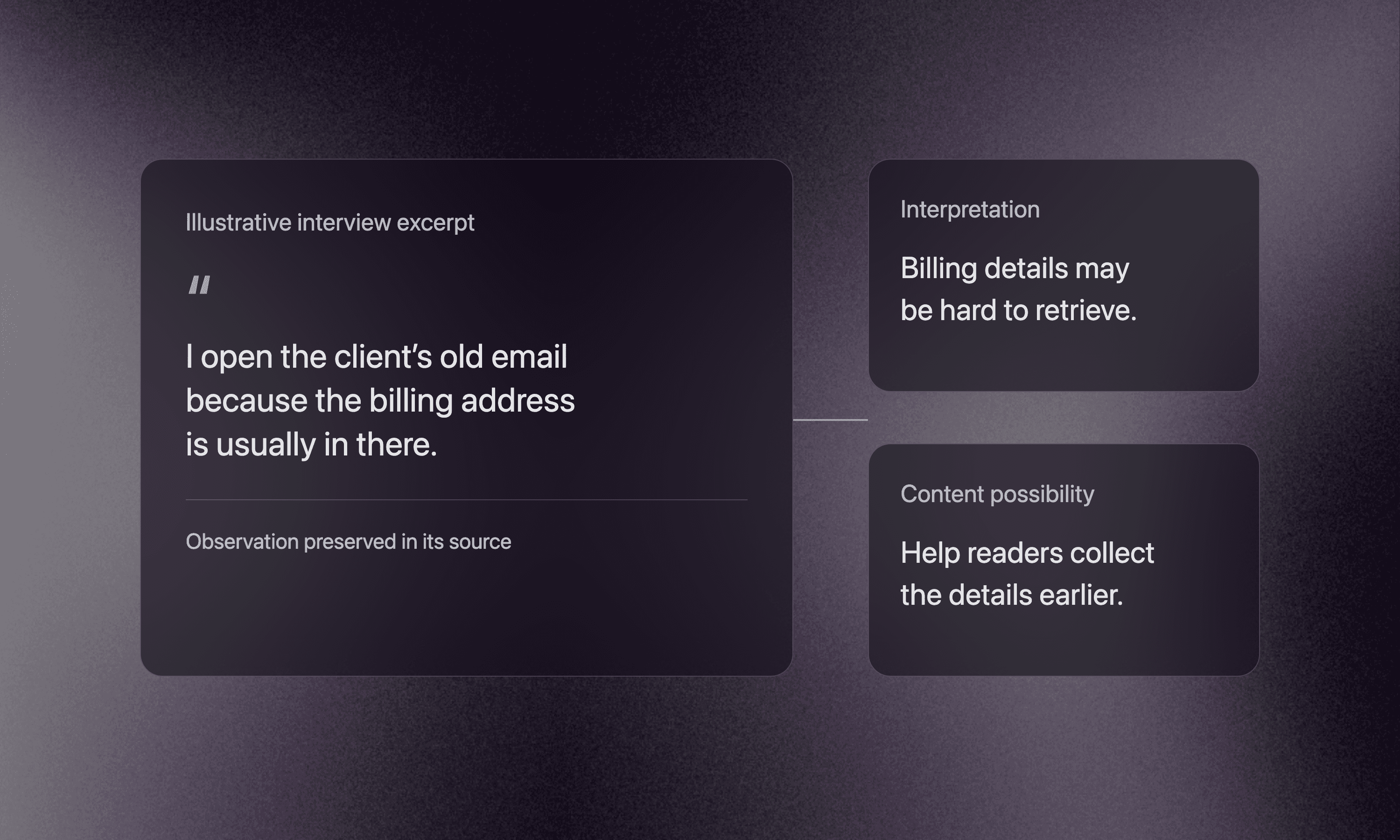
Top 8 Visual Storytelling Techniques Founders Use to Scale
Master the top visual storytelling techniques founders use to build authority. Learn to use professional visuals to scale your SaaS and generate B2B leads.

The top visual storytelling techniques founders use combine minimalist design with data-driven narratives to convert passive scrollers into active leads. By prioritizing clarity over decoration, founders can build a premium brand identity that commands attention in crowded social feeds.
Visual storytelling is the use of structured imagery, graphics, and typography to convey a business narrative that drives specific audience actions. The top visual storytelling techniques founders utilize move beyond simple aesthetics to focus on information hierarchy and cognitive ease. In our experience, founders who master these techniques reduce the time spent on content creation while increasing their brand authority across professional networks. Humans process visual information 60,000 times faster than text, making visual clarity a requirement for any growth-oriented startup leader.
What are the top visual storytelling techniques founders use for growth?
The top visual storytelling techniques founders use include the Paradox Chart, the Progress Reveal, and the Comparison Matrix to simplify complex business logic. These techniques work because they remove the friction of long-form reading and replace it with immediate, digestible insights. A well-executed visual story functions as a mental shortcut for your audience, allowing them to understand your product value or founder journey in seconds rather than minutes. We recommend focusing on one core technique per post to maintain a clean, minimalist narrative that aligns with a premium brand identity.
Visual communication for B2B requires a balance between professional data presentation and human-centric narrative. According to research from Socialinsider (2024), carousels remain the most engaging format on LinkedIn, generating an average engagement rate of 1.92% compared to static images or video. This data confirms that multi-slide visual stories allow founders to build a logical argument that leads the reader toward a specific conclusion or call to action. By using a consistent design system, you ensure that every slide reinforces your credibility without requiring a high-priced design retainer for every update. This approach allows you to focus on building your core product while your content works to generate leads and build your personal brand presence automatically.
How do you apply a top framework for founder brand building?
A top framework for founder brand building is the Hook-Insight-Action sequence visualized through a high-contrast carousel. The Hook is a single, bold statement or a provocative chart on the first slide that stops the scroll. The Insight section consists of three to five slides that break down a unique perspective or data point using minimalist graphics. The Action slide provides a clear next step, such as a newsletter sign-up or a product trial. This framework ensures that your visual content is not just decorative but serves a specific business objective in your marketing funnel.
Effective visual communication for b2b often hinges on the ability to translate technical specs into business outcomes. We find that moving to a template-based system allows founders to execute this framework consistently without wrestling with layout decisions every morning. When your framework is standardized, you can focus on the quality of the narrative rather than the placement of the logo. A study by the Nielsen Norman Group found that users often read in an F-shaped pattern, which is why placing your most critical visual insights along the top and left margins of your slides is a necessary design choice for maximum impact.
Which startup founder storytelling methods build the most trust?
The most effective startup founder storytelling methods involve radical transparency visualized through "Behind the Scenes" maps and "Failure to Pivot" charts. These methods humanize the founder and build trust by showing the reality of building a company rather than just the highlights. Visualizing your technical architecture or your team's decision-making process helps potential customers understand the expertise behind your product. Trust is built through the consistent application of professional design standards that signal your company is established and detail-oriented.
We suggest using the "Progress Bar" technique to show your product's evolution over time. This technique involves a simple timeline graphic that highlights major milestones, current challenges, and future goals. This visual method is highly effective because it invites your audience into your journey as stakeholders rather than just observers. Research indicates that 82% of consumers feel more positive about a brand after reading custom content (Content Marketing Institute). When that content is visually cohesive and professionally designed, that positive sentiment translates into brand equity and shorter sales cycles for your SaaS or agency business.
What are the best personal branding visuals linkedin creators should use?
The best personal branding visuals linkedin creators use are high-contrast typography slides, custom minimalist charts, and professional headshots integrated into design templates. High-contrast typography ensures your message is readable even on small mobile screens where the majority of LinkedIn consumption occurs. Custom charts that use your brand colors help you stand out from the generic stock photography that dominates most feeds. By avoiding cluttered layouts, you project an image of a focused, premium leader who values the reader's time and attention.
Consistency is the primary driver of recognition on social platforms. When you use compelling social media design strategies, such as a restricted color palette and a single typeface family, you create a visual signature that your audience recognizes before they even read your name. LinkedIn posts with images receive 2x more engagement than text-only posts, but posts with a cohesive visual identity see higher levels of brand recall (LinkedIn, 2024). We use Figma-based templates to maintain this consistency, as they allow us to swap content while keeping the core brand tokens identical across every piece of content we ship to the platform.
How do you implement compelling social media design strategies?
To implement compelling social media design strategies, founders must prioritize negative space and information hierarchy. Negative space is the empty area around your content that prevents the design from feeling cluttered or overwhelming. Information hierarchy is the arrangement of elements in a way that implies importance, typically achieved through font size, weight, and color. By using these two principles, you can guide the reader's eye to the most important part of your story, ensuring your key message is never lost in the design.
Successful visual storytelling for founders relies on the "One Idea Per Slide" rule. Many founders make the mistake of cramming too much text into a single graphic, which leads to high bounce rates. Instead, use a sequence of slides to build a narrative arc. Start with a problem, introduce a tension point, provide your unique solution, and end with a result. This sequential approach is why customizable Figma templates are so effective for founders; they provide a pre-built structure that enforces good design habits while allowing for rapid content production. The following table compares the impact of different visual elements on audience retention.
Visual Element | Primary Purpose | Retention Impact |
|---|---|---|
Negative Space | Reduces cognitive load | High |
Custom Charts | Establishes authority | Very High |
Brand Typography | Builds recognition | Medium |
Face-on Photography | Humanizes the brand | High |
Why is visual communication for b2b essential for conversion?
Visual communication for b2b is essential because it bridges the gap between complex product features and the business value they provide. In a B2B context, your audience is often looking for proof of competence and a clear ROI. Visualizing your process through a "Step-by-Step" diagram or a "Before vs. After" comparison provides the tangible evidence decision-makers need to move forward. This technique is particularly powerful for SaaS founders who need to explain abstract software solutions in a way that feels concrete and reliable.
The ROI of visual content in B2B is well-documented. According to HubSpot (2024), visual content is 40 times more likely to be shared on social media than other types of content. For a founder, these shares represent earned media and organic reach that would otherwise require a significant advertising budget. By using professional visual storytelling techniques, you are essentially creating a library of digital assets that continue to build your brand authority 24/7. This transition from manual, one-off designs to a systematic visual strategy is what allows small teams to compete with much larger organizations in terms of brand presence and perceived scale.
What makes a visual storytelling technique effective for founders?
An effective visual storytelling technique for founders is one that is repeatable, scalable, and professional. It must be repeatable so that you can produce content daily without burning out. It must be scalable so that as your team grows, anyone can step in and maintain the brand standards. Most importantly, it must be professional to ensure you don't damage your credibility with amateur-looking graphics. The top visual storytelling techniques founders lean on are those that prioritize the message while using design as a vehicle for clarity.
We recommend adopting a "Digital First" design philosophy where every visual is optimized for the platform it lives on. For example, a technique that works on a desktop-focused whitepaper will likely fail on a mobile-first platform like LinkedIn. This is why using Auto Layout in Figma is a feature we rely on; it allows components to resize dynamically, ensuring that your visual story looks perfect on every device. When you eliminate the technical hurdles of design, you free up your mental energy to focus on the high-level strategy that will actually move the needle for your startup. Founders who treat design as a core business process rather than an afterthought consistently see better engagement and higher quality leads.
How can you start using these techniques today?
To start using the top visual storytelling techniques founders recommend, begin by auditing your current social media presence. Look for posts that are text-heavy and identify one concept that could be explained better with a chart or a simple diagram. Use a consistent set of templates to turn that concept into a 5-slide carousel. Focus on the Hook, the Insight, and the Action as your primary framework. By simplifying your workflow, you can begin publishing high-quality visual content today without needing to master complex design software.
Design does not have to be a bottleneck in your marketing workflow. In our experience, the transition from "designer-dependent" to "system-dependent" is the single most important shift a founder can make. By using professional templates, you ensure that every post adheres to the best personal branding visuals linkedin demands. This allows you to maintain a premium, Apple-like brand identity while focusing on your core expertise. Start by choosing one of the eight techniques mentioned in this article—such as the Paradox Chart or the Comparison Matrix—and apply it to your next post. Consistency over time will yield the growth and authority your startup deserves.
Effective visual storytelling is about more than just looking good; it is about communicating better. As a founder, your time is your most valuable asset. Using visual systems to scale your communication ensures that your message reaches the right people with the right impact. Whether you are fundraising, hiring, or selling, professional visual storytelling is the lever that multiplies your efforts. Adopt these techniques, stay consistent, and watch your brand authority grow as you move away from the noise and into the spotlight of professional leadership.