Why Your Organic Reach is Dropping (And How to Fix It)
Discover proven strategies to reverse your organic reach decline. Explore actionable steps to beat the algorithm update and boost engagement instantly.
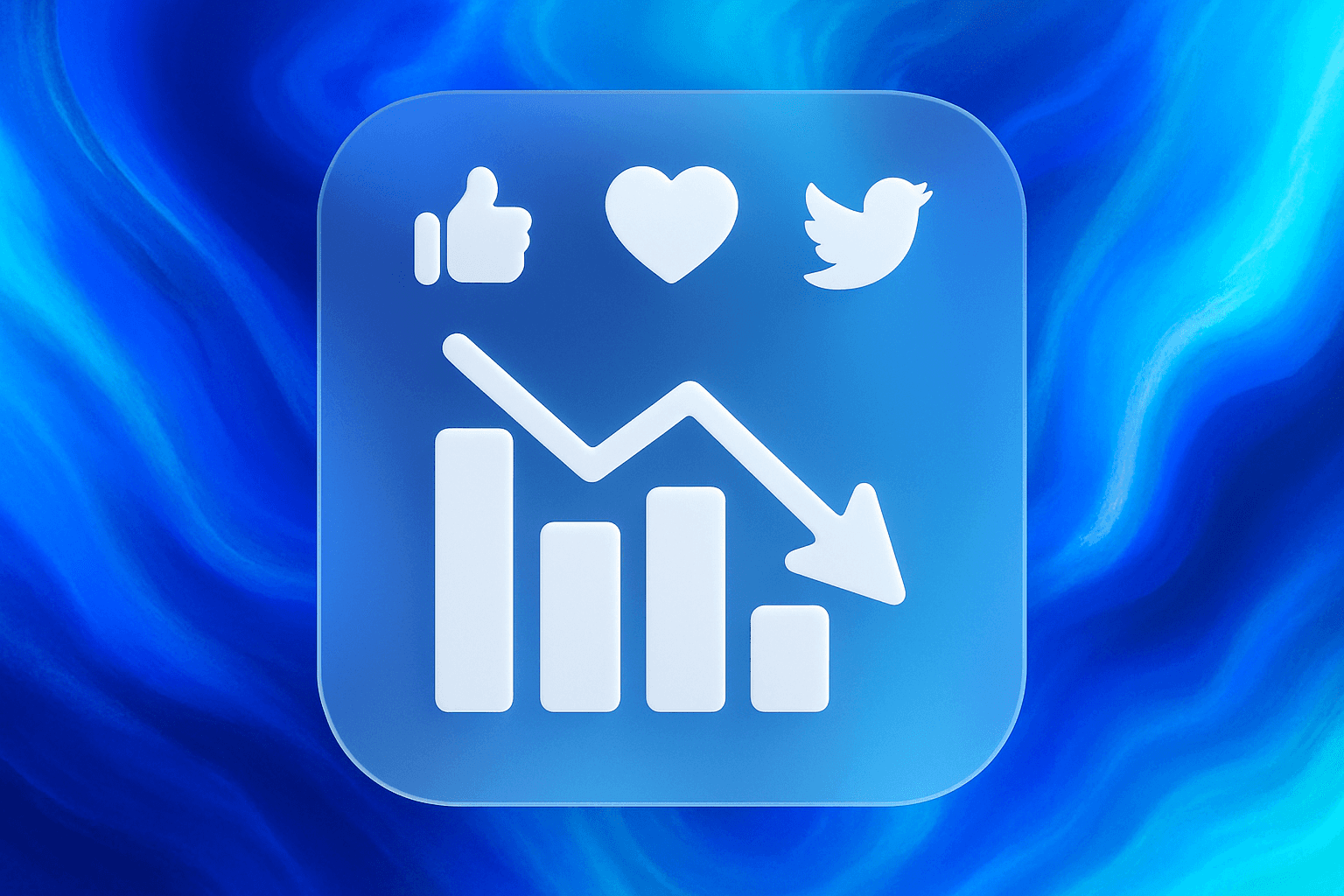
Social media platforms are constantly evolving ecosystems. If you have noticed a significant drop in your views and likes recently, you are not alone. An organic reach decline is one of the most common frustrations for creators and businesses in 2026. This decline does not necessarily mean your content is bad; it often means the rules of the game have changed. Understanding why these changes happen is the first step toward fixing the problem.
This guide explores the root causes of organic reach decline and provides actionable solutions to help you regain your visibility. We will look at technical updates, design standards, and strategic pivots that work in the current digital landscape.
Understanding the Mechanics of Organic Reach Decline
To fix a problem, you must first understand the mechanism behind it. Organic reach decline occurs when the platform distributes your content to fewer people without paid promotion. This is rarely a random occurrence. Platforms use sophisticated math and data to decide who sees what.
The Role of the Latest Algorithm Update
Every major social platform releases frequent updates to its sorting rules. An algorithm update is usually designed to keep users on the app for longer periods. In 2026, algorithms prioritize retention above all else. If users scroll past your post without pausing, the algorithm assumes the content is not valuable.
Previously, chronology mattered. Now, behavioral data drives the feed. If a user engaged with your last three posts, they are likely to see your next one. If they skipped your last three posts, your organic reach decline for that specific user becomes almost total. The algorithm is not punishing you; it is customizing the experience for the viewer.
The Paid Media Shift: A Pay-to-Play Reality?
We must address the economic reality of social platforms. There has been a distinct paid media shift over the last decade. Platforms are businesses that generate revenue through advertising. As ad inventory becomes more competitive, space for organic content naturally shrinks.
However, this does not mean organic growth is dead. It means the bar for entry is higher. Content must now be good enough to compete with paid advertisements. An organic reach decline often signals that your content is not holding attention as effectively as a sponsored post might. You do not need to pay for ads to grow, but you do need to create content that provides equal value to the viewer.
Is It a Shadowban or Content Fatigue?
When numbers drop suddenly, many creators fear the worst. The term "shadowban" is frequently used to explain a sudden organic reach decline, but it is often misunderstood.
Diagnosing a Shadowban Correctly
A shadowban happens when a platform restricts your content from appearing in hashtags or the Explore page due to a violation of community guidelines. This is a specific penalty. If your existing followers can still see your posts but you are getting zero reach from non-followers, you might have a restriction.
To test this, check your account status in the platform's settings menu. Most platforms in 2026 offer an "Account Status" tool. If you have green checks across the board, you are not shadowbanned. Your organic reach decline is likely due to competition or content performance rather than a penalty.
How Audience Boredom Mimics Suppression
Often, what feels like a ban is actually audience fatigue. If you have posted the same style of content for two years, your audience may have tuned out. When followers stop liking or commenting, the algorithm stops showing them your posts. This creates a feedback loop that looks like a organic reach decline.
Refreshing your content strategy is crucial. You must surprise your audience. Predictability is the enemy of engagement in a fast-paced feed.
The Impact of Content Quality on Visibility
Content quality is the most significant variable you can control. In a saturated market, "good enough" is no longer acceptable. The visual standard for social media has risen dramatically.
Why High-Fidelity Visuals Matter More in 2026
Users have become sophisticated. They can instantly recognize low-effort designs or stock images. High-fidelity visuals signal authority and trustworthiness. When a user sees a polished image, they are more likely to stop scrolling. This pause is the first signal to the algorithm that your content has value, helping to reverse organic reach decline.
Visuals must be clean, easy to read, and aesthetically pleasing. Cluttered graphics or poor color contrast will cause users to scroll past immediately.
Leveraging Professional Templates for Consistency
Consistency in design helps build brand recognition. However, creating high-quality designs from scratch every day is difficult. This is where professional tools become essential assets. Using a Figma-based workflow allows for rapid iteration without sacrificing quality.
Our Social Media Kit helps creators maintain high visual standards. By using pre-made, high-quality carousel templates, you ensure every post looks premium. This visual consistency helps retain the attention of your audience, which is essential for combating organic reach decline. A cohesive look tells the algorithm that you are a professional creator worth distributing.
The Dangers of Engagement Bait Tactics
In an attempt to fix organic reach decline, some creators use shortcuts. Engagement bait refers to captions like "Tag 5 friends to win" or "Like this if you agree."
Platforms now use AI to detect these phrases. If the algorithm flags your post as engagement bait, it will actively demote it. This results in a severe drop in reach. Authentic engagement comes from conversation, not manipulation. Ask open-ended questions that require thoughtful answers rather than fishing for likes.
Strategic Shifts to Regain Your Audience
Fixing organic reach decline requires a change in strategy. You cannot keep doing the same things and expect the numbers to go back up.
Moving from Passive to Active Engagement
Posting content and walking away is no longer a viable strategy. You must be active on the platform. This means replying to comments within the first hour of posting.
When you reply quickly, it doubles the comment count on the post. It also encourages the original commenter to reply back. This activity creates a spike in engagement signals. The algorithm sees this activity and determines the post is a "hot topic," subsequently pushing it to more people. Active community management is a direct counter-measure to organic reach decline.
The Power of Carousel Posts in Storytelling
Single-image posts often fail to hold attention long enough. Carousel posts (slideshows) are superior because they require physical interaction. The user must swipe to see more. Every swipe is a micro-conversion that signals interest.
Carousels allow you to tell a story or break down complex information. This increases the "time on post" metric. If a user spends 30 seconds reading your carousel, the algorithm rewards you.
Using a Social Media Kit for Workflow Efficiency
Creating engaging carousels requires structure. You need a hook on the first slide, value in the middle, and a call to action at the end. Designing these frameworks manually is time-consuming.
Utilizing our Social Media Kit can streamline this process. The kit provides layouts specifically designed to encourage swiping. When you use a proven structure, you reduce the risk of losing the viewer's attention midway through. Efficient production allows you to post more frequently while maintaining the high quality necessary to fight organic reach decline.
Technical Factors Affecting Distribution
Beyond the creative aspects, several technical elements influence how far your content travels.
Optimization for Mobile-First Consumption
99% of social media consumption happens on mobile devices. If your text is too small to read without zooming, users will skip it. If your video requires sound to be understood, users in public spaces will skip it.
To prevent organic reach decline caused by poor user experience:
Use large, bold typography.
Ensure high contrast between text and background.
Always include captions on videos.
Check your vertical aspect ratios (4:5 or 9:16) to maximize screen real estate.
The Importance of SEO in Social Captions
Search Engine Optimization (SEO) is now a major part of social media. Platforms function like search engines. If you do not use the right keywords in your captions and bio, the platform does not know who to show your content to.
Instead of just using hashtags, write descriptive captions that include your target keywords. If you are writing about "organic reach," ensure that phrase appears naturally in your text. This helps the algorithm categorize your content and serve it to users interested in that topic, thereby mitigating organic reach decline.
Analyzing Metrics to Pivot Your Strategy
Data is your compass. To stop organic reach decline, you must look beyond the vanity metrics.
Identifying Retention Drop-Off Points
Video and carousel analytics often show you exactly where users stopped watching or reading.
Drop-off at the beginning: Your hook was weak or the visual was unappealing.
Drop-off in the middle: The content was too long or boring.
Drop-off at the end: Your call to action was unclear.
Use this data to refine your content. If people drop off at slide 3 of your carousel, try making slide 3 more visually impactful next time.
Differentiating Vanity Metrics from Value Metrics
Likes are vanity metrics. They feel good but do not always correlate with reach. Shares and Saves are value metrics.
Shares: Indicate the content is relatable or news-worthy.
Saves: Indicate the content is educational or valuable for the future.
The algorithm weighs Shares and Saves much heavier than Likes. A post with high Saves will often see a reversal in organic reach decline because the platform identifies it as a high-value resource.
Building a Community-Centric Ecosystem
Finally, the best defense against algorithm changes is a loyal community.
Nurturing Super-Fans for Initial Velocity
You likely have a small group of followers who always engage. These are your "super-fans." Treat them like gold. When you post, they provide the initial velocity your content needs.
If you ignore them, they will eventually become passive. By engaging deeply with this core group, you ensure a baseline of engagement that protects you from total organic reach decline. Send them DMs; reply to their stories; show them you value their presence.
Frequently Asked Questions (FAQs)
1. Why has my organic reach dropped suddenly in 2026? A sudden organic reach decline usually points to one of three things: a recent algorithm update prioritizing a different content format, a shift in audience interest, or a technical penalty like a shadowban. Often, it is simply that the platform has become more competitive, and your content needs a refresh to stand out against higher-quality posts.
2. Does editing a caption after posting hurt my reach? There is a persistent myth that editing a caption kills reach. In reality, editing a caption to fix a typo usually has a negligible effect. However, if you edit the caption significantly immediately after posting, it resets the algorithm's analysis of your keywords. It is best to proofread before posting to avoid the need for edits.
3. Are hashtags dead for fixing organic reach decline? Hashtags are not dead, but their function has changed. They are no longer the primary driver of reach. Instead, they act as categorization tools. Using 3-5 highly relevant hashtags is better than using 30 generic ones. The algorithm relies more on your caption keywords and visual content recognition than hashtags alone.
4. How often should I post to combat reach decline? Consistency is better than frequency. Posting 10 times a week with low quality will accelerate your organic reach decline. It is better to post 3 times a week with high-value, high-retention content. Platforms reward accounts that users look forward to, rather than accounts that spam the feed.
5. Do carousel posts perform better than videos? This depends on your niche, but in 2026, carousels often see higher engagement rates for educational and business content. They allow users to consume at their own pace. Videos are great for entertainment, but carousels drive more "Saves" and "Shares," which are powerful signals for reversing organic reach decline. Using a professional template from our Social Media Kit can help you maximize this format.
6. How do I know if I am shadowbanned? You can usually tell if your organic reach decline is restricted to non-followers. If your hashtags are not searchable and your content never appears on the Explore page, you might be restricted. Check your "Account Status" in the settings of the app. If you have no violations listed, you are not shadowbanned; you just need to improve your content engagement strategy.
Conclusion
Experiencing an organic reach decline is frustrating, but it is not permanent. It is a signal from the platform that your strategy needs to evolve. The digital landscape of 2026 demands high quality, genuine community interaction, and smart technical optimization.
Blaming the algorithm update or fearing a shadowban will not fix the numbers. Instead, focus on what you can control. improve your content quality; avoid engagement bait; and adapt to the paid media shift by making your organic content undeniable.
Start by auditing your visuals. Are they stopping the scroll? Are they providing value? Tools like our Social Media Kit can provide the professional edge you need to compete. Combine this with a data-driven approach to your metrics, and you will see your reach begin to climb again. Consistency, quality, and adaptability are the keys to winning in the long run.