7 Best Vector Graphics Editors Indie Developers Need in 2026
Find the best vector graphics editors indie developers use to ship faster. Compare Figma, Inkscape, and Affinity Designer for professional SVG assets in 2026.
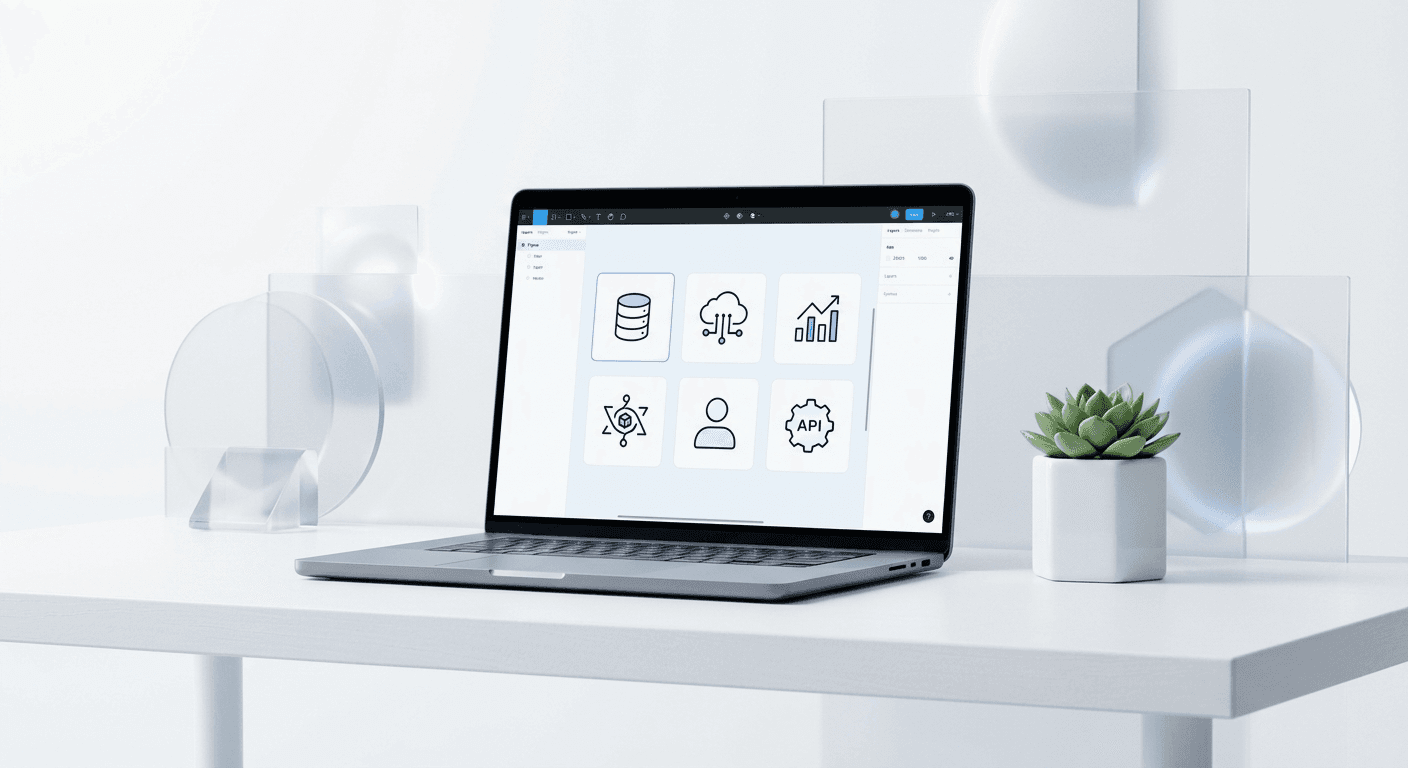
The best vector graphics editors indie developers use in 2026 prioritize SVG code cleanliness, intuitive UI, and cost-effective pricing over the bloated features of legacy design suites. Tools like Figma, Inkscape, and Affinity Designer lead the market by offering developer-specific features like CSS inspection and direct SVG path editing.
Finding the best vector graphics editors indie developers actually want to use is about balancing power with speed. Most startups do not need the heavy overhead of Creative Cloud. We see founders shifting toward tools that integrate directly with their development workflows, allowing them to export assets that are web-ready and easy to manipulate in code. This shift is driven by the need to ship faster without sacrificing visual quality or site performance.
Why do indie developers avoid Adobe Illustrator for SaaS design?
Indie developers avoid Adobe Illustrator because its steep learning curve and expensive monthly subscription model create unnecessary friction for small teams. The software is built for print-first graphic designers rather than digital-first product builders who need lightweight SVG exports and rapid component iteration. Instead, developers choose tools that offer cleaner code output and simpler interfaces.
The complexity of legacy tools often results in bloated SVG files that contain proprietary metadata, which can negatively impact site performance and SEO. Research from HTTP Archive (2024) shows that unoptimized images remain a leading cause of slow page loads on mobile devices. For an indie developer, time spent cleaning up exported code is time taken away from building features. We prefer tools that generate human-readable XML from the start. Modern workflows demand software that respects the developer's time and the final product's performance metrics. By choosing specialized tools, you avoid the heavy memory usage associated with older suites that can slow down a standard development laptop during a build process.
How does Figma compare to Sketch and Illustrator for SaaS founders?
The choice of figma vs sketch vs illustrator depends on your operating system and collaboration needs. Figma is the browser-based leader for cross-platform teams, Sketch remains a macOS favorite for its native performance, and Illustrator is the choice for complex print work. For most SaaS founders, Figma is the superior choice because it combines design, prototyping, and developer handoff in one interface.
Feature | Figma | Sketch | Adobe Illustrator |
|---|---|---|---|
Platform | Browser / Desktop | macOS Only | Desktop (Win/Mac) |
Pricing | Freemium / Subscription | One-time + Updates | Subscription Only |
Dev Handoff | Native Code View | Cloud-based | Manual / Plugins |
SVG Export | Highly Optimized | Clean | Often Bloated |
Figma has become the industry standard for digital product design because it solves the problem of version control. According to the UX Tools 2023 Survey, Figma is used by over 70% of designers for UI and asset creation. This dominance means that most developer-centric design systems, like those we use for our templates, are built primarily for Figma. It allows you to inspect CSS properties, grab SVG paths, and export assets in multiple resolutions simultaneously. Unlike Sketch, which is restricted to macOS, Figma allows developers on Linux or Windows to access the same design files without friction. While Illustrator offers more advanced brush and vector distortion tools, those features are rarely necessary for building a modern SaaS landing page or a clean social media graphic. Figma provides just enough power without the unnecessary cognitive load.
What makes Affinity Designer a top Adobe Illustrator alternative for SaaS?
Affinity Designer is a top Adobe Illustrator alternative for SaaS companies because it offers professional-grade vector tools for a single one-time payment. It bridges the gap between pure UI tools and heavy artistic software by providing a smooth "Pixel Persona" for raster work within a vector environment. This makes it ideal for creating high-fidelity marketing assets like logos and intricate icons.
One major advantage of Affinity Designer is its speed and performance on modern hardware, often outperforming older software on high-resolution displays. Since it does not require a recurring subscription, it has become one of the top marketing asset editors for bootstrapped startups looking to keep their burn rate low. The software supports advanced typography, non-destructive effects, and unlimited undo history, which is vital when iterating on a brand identity. Many creators find the workspace more logical than Adobe's interface because it prioritizes the most common digital design tasks. When you are building a SaaS brand, you need a tool that can handle everything from a favicon to a large-scale billboard without requiring a dozen different plugins. Affinity Designer delivers this versatility while maintaining a file format that is compatible with other major design applications, ensuring you are never locked into a single ecosystem as your startup scales.
Which are the best free vector tools for startups on a budget?
The best free vector tools for startups include Penpot and Inkscape. Penpot is the first open-source design and prototyping platform that uses SVG as its native file format, making it exceptionally developer-friendly. Inkscape is a long-standing desktop application that provides deep technical control over vector paths and XML data for those who prefer local software.
Penpot is gaining massive traction because it uses CSS standards like Flexbox and Grid directly within the design interface. This means that when a developer looks at a Penpot file, the layout logic translates directly to frontend code. Based on the growth of open-source design, tools like Penpot represent the best svg design software 2026 will offer for teams that prioritize transparency and interoperability. Because it is browser-based, there is nothing to install, and the collaborative features mirror those of expensive enterprise tools. This allows indie hackers to build professional design systems for $0. If you prefer a desktop experience, Inkscape offers a comprehensive toolset for path manipulation and node editing that rivals paid software. While the interface is more traditional, the precision it offers for SVG editing is unmatched in the free software world. Both tools ensure that startups do not have to compromise on asset quality just because they are operating with limited initial capital.
How do you choose the right marketing asset editor for social growth?
Choosing the right marketing asset editor requires looking for tools that speed up the transition from a design idea to a published post. For indie developers, this usually means moving away from manual vector manipulation and toward template-based systems. A good editor should allow you to maintain brand consistency while automating repetitive tasks like resizing and color application across different platforms.
We find that founders who use Figma-based systems can produce visual content significantly faster than those wrestling with manual vector nodes. By using customizable design templates, you can generate professional LinkedIn and Instagram assets in minutes. This is vital because consistent posting is a primary driver of organic growth for SaaS companies. Data from Socialinsider (2024) indicates that carousel posts on platforms like LinkedIn generate higher engagement rates than single-image posts. Using a tool that simplifies the creation of these carousels allows a developer to focus on their product while still maintaining a premium brand presence. The goal is to spend less time on the technicalities of vector points and more time on the message that drives user acquisition. When your design tool supports rapid exports and easy customization, your marketing workflow becomes a competitive advantage rather than a bottleneck.
What is the best SVG design software for web performance in 2026?
The best SVG design software for web performance in 2026 is Boxy SVG. It is a tool specifically built to edit SVG files directly without converting them into a proprietary format first. This ensures that every attribute and path you create follows W3C standards, resulting in the smallest possible file sizes for your web applications.
Boxy SVG stands out because its user interface is essentially a visual wrapper for the SVG code itself. For an indie developer, this is the ultimate tool for creating icons, simple illustrations, and decorative web elements. Unlike other editors that hide the underlying code, Boxy SVG allows you to toggle between the canvas and the XML editor instantly. This transparency is crucial for modern web development where every kilobyte counts. According to W3Techs, SVG usage on websites has grown steadily as more developers prioritize scalability and high-density display support. By using a tool that adheres strictly to web standards, you eliminate the need for third-party optimization tools like SVGO after every export. This streamlines the development pipeline and ensures that your assets are always compatible with modern browsers. For founders who care about Core Web Vitals and clean repositories, Boxy SVG offers a level of technical honesty that larger design suites simply cannot match in their current forms.
Can Vectr and Linearity Curve replace pro-level software?
Vectr and Linearity Curve can replace pro-level software for specific use cases like quick social graphics or mobile-first design. Vectr is a simplified, cloud-based editor that focuses on accessibility, while Linearity Curve (formerly Vectornator) offers a high-performance vector experience optimized for iPad and macOS with AI-assisted features. These tools are perfect for developers who need to make small edits on the go.
Vectr is particularly useful for teams that need a no-frills tool for basic shapes and text overlays. It lacks the advanced features of Affinity or Figma but makes up for it with a zero-cost entry point and a very shallow learning curve. On the other hand, Linearity Curve is becoming a favorite for creators who use the Apple ecosystem. It leverages hardware acceleration to handle thousands of vector paths without lag, which is impressive for a tool that started as a mobile app. In our experience, developers often find that they only use 10% of the features in a program like Illustrator. By switching to a more focused tool like Linearity Curve, you reduce the clutter and can often find the necessary tools faster. As AI-powered design becomes more prevalent, these lighter tools are integrating features like background removal and auto-tracing that were once the domain of expensive desktop suites. For an indie developer, these capabilities mean being able to handle 90% of design tasks without ever opening a heavy professional application.
How do vector graphics editors impact your startup workflow?
The vector graphics editors you choose directly impact your startup workflow by determining how quickly you can move from a mockup to a production-ready asset. A tool that produces clean code and allows for easy collaboration will reduce the amount of back-and-forth between design and development phases. The best vector graphics editors indie developers select are those that function as a bridge between visual creativity and technical implementation.
In a fast-paced startup environment, the ability to iterate is your greatest asset. If your design software is slow to load or difficult to navigate, it becomes a barrier to growth. We recommend auditing your current toolset to see if legacy software is holding you back. Are you spending too much time cleaning up SVG exports? Is your design software too expensive for the few times a month you actually use it? By switching to modern, developer-centric alternatives, you can simplify your marketing and product workflows. Whether you choose the collaborative power of Figma, the technical precision of Boxy SVG, or the open-source freedom of Penpot, the goal is the same: shipping a high-quality product as efficiently as possible. Focus on tools that respect web standards and offer the flexibility you need as a founder. Your design stack should work for you, not the other way around. By prioritizing tools that offer the right balance of features and speed, you ensure that your brand looks professional while your development process stays lean.